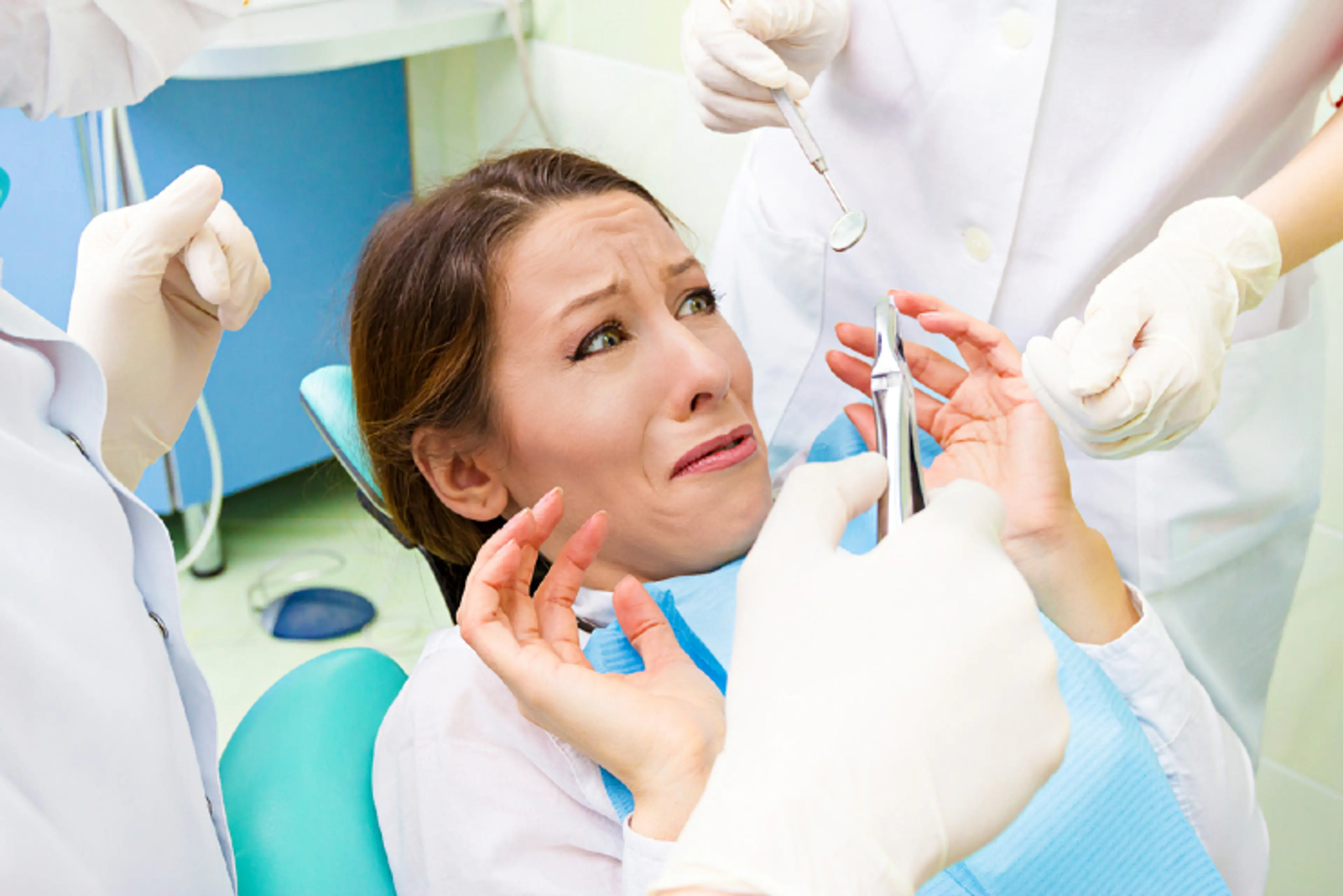
The moment many patients remember most vividly isn’t the sound of the drill—it’s the syringe.
At S-Face Dental Clinic in Apgujeong, we hear this confession almost daily:
“I’m not afraid of dental treatment… I’m afraid of the needle.”
And to be honest, that fear is more common—and more reasonable—than people admit. For some, it’s a childhood memory of sharp pain. For others, it’s the anticipation, the loss of control, or even a vasovagal response where the body reacts before the mind can rationalize what’s happening.
The good news? Modern dentistry no longer expects patients to simply endure fear. Sedation dentistry has evolved precisely to address this problem—especially needle anxiety—and it has become one of the most transformative advances in contemporary dental care.
This article walks you through what sedation dentistry really is, why needle fear is so powerful, and which sedation options can help you receive treatment calmly, safely, and without trauma—whether you’re a local patient in Seoul or traveling to Korea for advanced dental care.
Why Are Dental Needles So Fear-Inducing?
why-are-dental-needles-so-fear-inducingFrom a clinical perspective, needle fear is rarely about pain alone.
The Psychological Layer
the-psychological-layerThe mouth is an intimate space. When someone else works inside it, especially with sharp instruments, the brain’s threat-detection system activates. Even patients who tolerate injections elsewhere—like vaccinations—may panic in a dental chair.
In Korea, where regular dental check-ups are culturally encouraged, many patients still postpone major treatments like implants or extractions because of anticipatory anxiety, not the procedure itself.
The Physical Reflex
the-physical-reflexSome people experience:
Dizziness or fainting
Sudden sweating
Increased heart rate
Nausea
These reactions are involuntary. Telling a patient to “relax” doesn’t help—changing the physiological experience does.
That’s where sedation comes in.
What Is Sedation Dentistry—Really?
what-is-sedation-dentistryreallySedation dentistry is not about “knocking you out.”
It’s about modulating your nervous system so your body does not register fear or pain in the usual way.
Think of it like dimming the lights in a room instead of turning them off. You remain safe, monitored, and often responsive—but the sharp edge of anxiety disappears.
At S-Face Dental Clinic, sedation is not an add-on. It’s an integrated part of treatment planning, especially for:
Patients with needle phobia
Complex implant or surgical cases
Strong gag reflex
Past dental trauma
International patients undergoing multiple procedures in one visit
Sedation Options That Help You Avoid Needle Fear
sedation-options-that-help-you-avoid-needle-fearNot all sedation is the same. The right option depends on your anxiety level, medical history, and the complexity of treatment.
1. Oral Sedation (Medication Taken by Mouth)
1.-oral-sedation-(medication-taken-by-mouth)Best for: Mild to moderate needle anxiety
Oral sedation involves taking a prescribed medication before treatment. By the time you sit in the dental chair, your body is already in a relaxed state.
What patients often notice:
Reduced awareness of surroundings
Less emotional response to injections
Partial or full memory loss of the procedure
One overlooked benefit? The needle for local anesthesia often becomes a non-event. Patients register pressure, not fear.
However, oral sedation alone may not be sufficient for patients with severe phobia or those undergoing long surgical procedures.
2. IV Sedation (Conscious Sedation)
2.-iv-sedation-(conscious-sedation)Best for: Moderate to severe needle fear, implants, extractions, oral surgery
This is where modern dentistry truly changes the experience.
IV sedation places you in a deeply relaxed, dream-like state. You are not unconscious—but most patients:
Feel no anxiety
Have little to no memory of the procedure
Do not react to needles, sounds, or pressure
Ironically, patients who fear needles the most often tolerate IV sedation exceptionally well—because the IV itself is placed gently, once, and before anxiety escalates.
At S-Face Dental Clinic, IV sedation is administered and monitored by a surgeon trained in oral & maxillofacial surgery, ensuring both comfort and safety.
3. Sedation Before the Needle: A Critical Detail Patients Miss
3.-sedation-before-the-needle:-a-critical-detail-patients-missHere’s an insider insight many clinics don’t explain clearly:
The most important moment for needle-phobic patients is not the procedure—it’s the first 30 seconds.
Experienced sedation teams focus on:
Applying strong topical anesthetics
Using ultra-fine needles
Injecting slowly, with controlled pressure
Distracting sensory pathways
Under sedation, the brain simply doesn’t assign danger to the sensation. Patients often ask afterward, “When did you give the injection?”
Is Sedation Safe?
is-sedation-safe
This is the question thoughtful patients should ask.
When properly planned, sedation dentistry is extremely safe, especially in clinics that:
Conduct pre-sedation medical evaluations
Monitor oxygen levels, heart rate, and blood pressure continuously
Are led by surgeons trained in airway management and emergency protocols
At S-Face Dental Clinic, sedation is performed under strict protocols developed through years of surgical experience, including over 2,000 sedation-assisted cases.
Safety isn’t just about equipment—it’s about judgment, timing, and knowing when sedation is appropriate.
Why Needle Fear Should Never Delay Necessary Treatment
why-needle-fear-should-never-delay-necessary-treatmentOne missing tooth may seem minor. But clinically, it’s rarely isolated.
Over time, we see:
From a surgeon’s perspective, delayed treatment often leads to more invasive procedures later—the very thing anxious patients hope to avoid.
Sedation dentistry allows treatment to happen earlier, more conservatively, and with far less emotional cost.
A Surgeon’s Perspective: What Patients Rarely Realize
a-surgeon's-perspective:-what-patients-rarely-realizeDr. Gin-Ah Song, DDS, Ph.D., often emphasizes this during consultations:
“Pain is not the enemy—fear is. Once fear is removed, dentistry becomes surprisingly gentle.”
One insight many patients don’t expect:
The body heals better when it’s not under stress.
Lower cortisol levels during sedation mean:
Sedation isn’t just about comfort—it influences outcomes.
Sedation Dentistry in Korea: Why Patients Travel for It
sedation-dentistry-in-korea:-why-patients-travel-for-itKorea has become a destination for advanced dental care, particularly in Gangnam. Patients from abroad often combine:
Dental implants
Bone grafting
Esthetic prosthodontics
into one or two visits.
Sedation makes this possible without psychological exhaustion. Clinics like S-Face are structured specifically for surgeon-led, comprehensive treatment under sedation, minimizing total visits while maximizing precision.
How to Know If Sedation Is Right for You
how-to-know-if-sedation-is-right-for-you
You may benefit from sedation dentistry if:
You postpone dental visits due to fear
The thought of injections causes panic
You’ve had traumatic dental experiences
You require surgical or lengthy procedures
A proper consultation should feel calm, informative, and pressure-free. You should never feel embarrassed about fear—it’s a clinical variable, not a personal weakness.
Choosing the Right Clinic Matters
choosing-the-right-clinic-mattersSedation is not just a medication—it’s a system.
Look for clinics that:
Are led by oral & maxillofacial surgeons
Offer multiple sedation options
Take time to explain risks and benefits
Emphasize long-term oral health, not speed
At S-Face Dental Clinic in Apgujeong, sedation dentistry is designed around one principle:
patients should never have to choose between fear and health.
A Final Thought
a-final-thoughtIf dental needles have kept you from care, know this: your fear is understood—and outdated.
Modern sedation allows dentistry to be calm, controlled, and surprisingly gentle. Whether you’re considering implants, extractions, or restorative treatment, you deserve an experience that respects both your body and your mind.
If you’ve delayed treatment due to anxiety or needle fear, consider a consultation at a comprehensive, surgeon-led center like S-Face Dental Clinic. Ask about sedation options. Ask about comfort. And most importantly—ask questions until fear no longer decides for you.