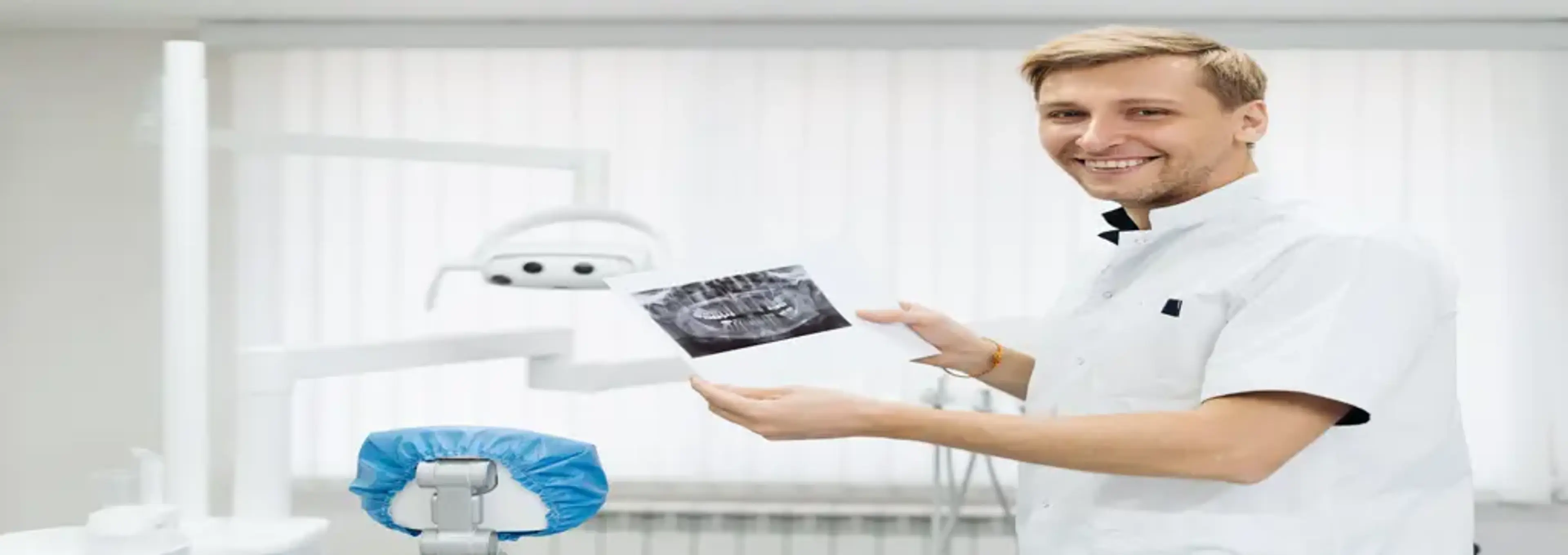
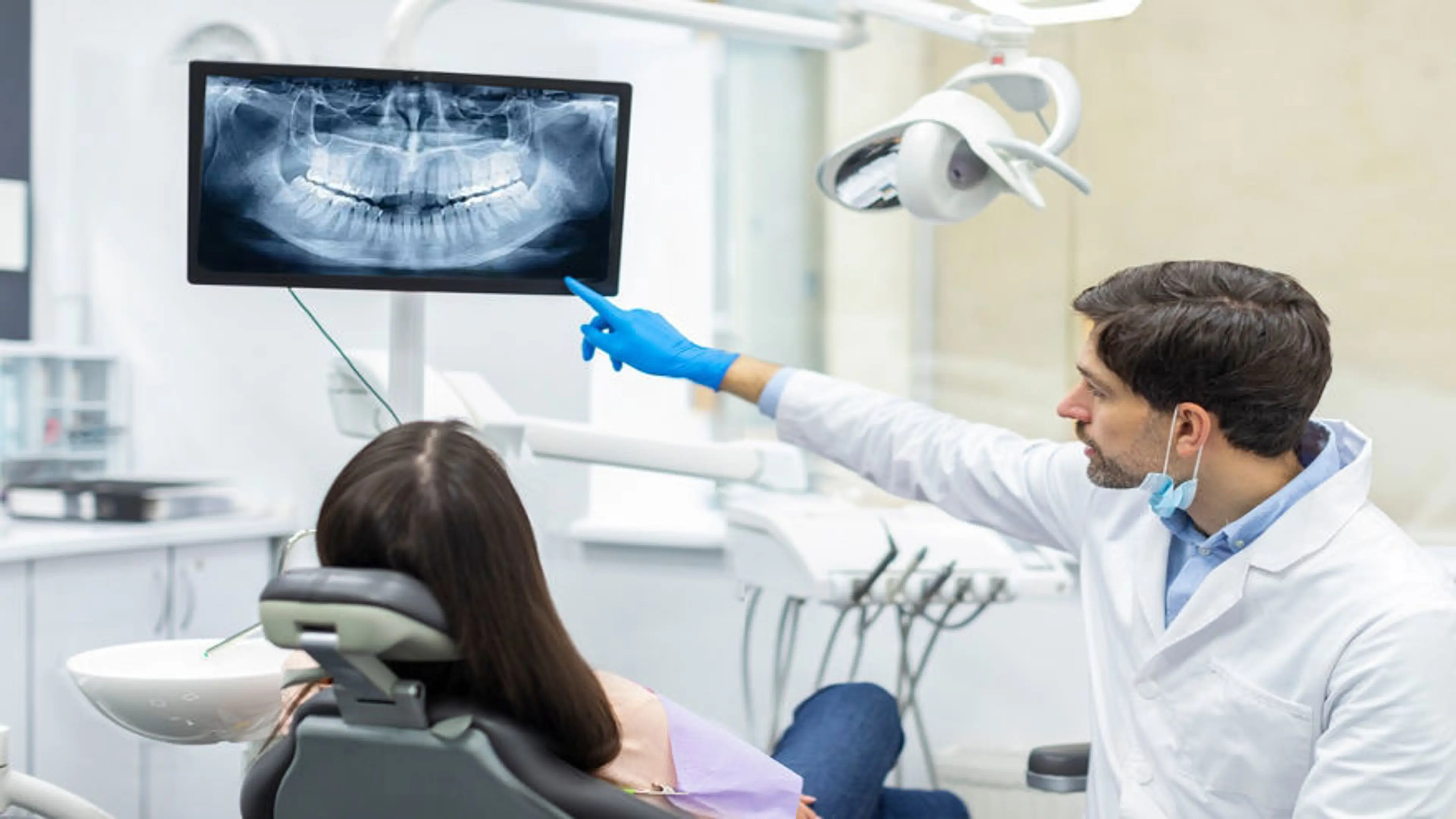
When a patient first hears the word “X-ray,” a small flicker of worry often follows. Radiation, after all, sounds serious. Many visitors to S-Face Dental Clinic in Apgujeong, Gangnam—especially those new to advanced dental care—ask us the same question with quiet hesitation:
“Are dental X-rays dangerous?”
The truth is both simple and reassuring. Modern dental X-rays are extremely safe, and the benefits they provide far outweigh the minimal risks involved. But understanding why they are safe—and when they’re necessary—helps patients feel confident and informed, rather than anxious.
Why X-Rays Matter in Dentistry
why-x-rays-matter-in-dentistryTo the untrained eye, teeth may look fine from the surface. But under the enamel and gums, much can remain hidden: tiny cavities between teeth, early bone loss, root infections, or impacted wisdom teeth that have yet to cause pain.
That’s where dental radiographs (X-rays) play a vital role. They act like a map beneath the surface—allowing dentists to see what the naked eye cannot.
At S-Face Dental Clinic, we often explain it this way:
“An X-ray is like checking the foundation of a house before renovating. You wouldn’t rebuild the walls without knowing what’s underneath.”
Especially in oral surgery, implant placement, and orthodontics, precise imaging determines not just diagnosis but treatment success. Without it, even the most skilled dentist is working with limited information.
Understanding the Radiation Concern
understanding-the-radiation-concernLet’s address the core worry: radiation exposure.
Yes, dental X-rays use radiation—but the amount is remarkably small. To put it into perspective:
Type of Exposure | Approximate Radiation Dose |
|---|
Single digital dental X-ray | 0.005 mSv |
Full-mouth X-ray series | 0.1 mSv |
Chest X-ray | 0.1 mSv |
Natural background radiation per year | 3.0 mSv |
(mSv = millisievert, a unit for measuring radiation dose)
So, taking a dental X-ray gives you less radiation than a short flight from Seoul to Tokyo.
Furthermore, at clinics like S-Face Dental, we use digital X-ray systems and cone beam CT (CBCT) units that emit up to 90% less radiation than traditional film-based devices used decades ago.
Modern Protection Measures
modern-protection-measuresDental safety standards today are far stricter than in the past. Korean dental clinics—especially those operating under university-level surgical standards—adhere to international radiation safety protocols.
At S-Face Dental Clinic, every X-ray is guided by three principles:
As Low As Reasonably Achievable (ALARA) – Only the minimum radiation necessary for accurate diagnosis is used.
Proper Shielding – Lead aprons and thyroid collars are provided when appropriate, especially for children or pregnant patients.
Targeted Imaging – We take only the images needed, focusing on specific areas rather than exposing the entire jaw unnecessarily.
Because of these safeguards, the risk from dental X-rays is virtually negligible, even for patients who undergo multiple scans over several years.
What About Pregnant Patients?
what-about-pregnant-patientsThis is one of the most common—and valid—questions we receive.
During pregnancy, unnecessary radiation should be avoided. However, dental X-rays are not automatically unsafe. If an emergency procedure such as an abscess or severe infection requires imaging, modern digital X-rays with protective shielding can be safely performed under professional supervision.
In such cases, the health of the mother often directly impacts the baby’s health, so treating infections or pain promptly is actually the safer choice. Still, we always consult with the patient’s obstetrician and avoid elective imaging until after delivery.
Children and Dental X-Rays
children-and-dental-x-rays
Parents often worry about exposing young children to X-rays—but pediatric dental imaging is designed with their safety in mind.
Because children’s bones and tissues are more sensitive, pediatric X-rays use ultra-low doses and smaller, child-sized sensors. They are crucial in monitoring tooth development, jaw growth, and early decay that can spread quickly.
Skipping X-rays in growing children can lead to missed problems that require much more invasive treatment later. So while cautious use is wise, avoidance isn’t necessarily safer.
The Real Risk: Missing What You Can’t See
the-real-risk:-missing-what-you-can't-seeIronically, refusing necessary X-rays can pose a greater danger than the radiation itself.
For instance:
A small cavity between molars can progress silently into the nerve.
Bone loss from periodontal disease may go unnoticed until teeth loosen.
In implant cases, unseen bone density issues can compromise stability.
At S-Face Dental Clinic, our implant success rates and esthetic outcomes depend heavily on preoperative imaging. Without precise 3D scans, even the best surgical planning becomes guesswork.
As Dr. Gin-Ah Song often tells patients:
“X-rays don’t just help us diagnose—they help us prevent. Every clear image means one less hidden problem later.”
Digital CBCT: A Revolution in Dental Imaging
digital-cbct:-a-revolution-in-dental-imaging
One of the most advanced imaging tools in modern dentistry is the Cone Beam CT (CBCT) scanner.
Unlike traditional panoramic X-rays, CBCT provides a 3D view of the teeth, jawbone, nerves, and sinuses with incredibly fine detail—down to fractions of a millimeter. This allows for:
At S-Face, our low-dose 3D CBCT systems are specifically calibrated to use minimal radiation while providing superior diagnostic quality. It’s a perfect example of technology enhancing both safety and precision.
How Often Should You Get Dental X-Rays?
how-often-should-you-get-dental-x-raysThere’s no universal rule—it depends on your oral health, treatment needs, and risk factors.
Patient Type | Recommended Frequency |
|---|
Healthy adults with no major issues | Every 1–2 years |
Patients with gum disease, decay history, or implants | Every 6–12 months |
Children or teens with developing teeth | Every 6–12 months (targeted images) |
Before implants, orthodontics, or surgery | As clinically needed |
At S-Face, we personalize imaging schedules based on scientific need, not routine habit. The goal is always clarity, not excess.
So, Are Dental X-Rays Dangerous?
so-are-dental-x-rays-dangerousWhen performed responsibly with modern equipment, no—they are not dangerous.
Radiation from dental X-rays is so low that the body easily manages it. The benefits—early detection, accurate treatment, and long-term health—far outweigh the minimal risk.
In fact, many complications we treat at S-Face—such as advanced bone loss or hidden infections—might have been prevented if earlier imaging had been done.
A Final Word from S-Face Dental Clinic
a-final-word-from-s-face-dental-clinicIn a world where “safety” often gets mixed with fear, it’s important to distinguish between unnecessary risk and controlled, diagnostic necessity.
Modern dental X-rays are not something to fear—they are part of what keeps your oral health predictable and your treatments successful.
If you’ve been avoiding dental care because of radiation concerns, consider visiting a clinic that prioritizes both safety and precision, like S-Face Dental Clinic in Apgujeong, Gangnam.
Here, every scan is performed under the direct supervision of Dr. Gin-Ah Song, DDS, Ph.D., a Seoul National University–trained oral and maxillofacial surgeon with over 13 years of clinical experience in advanced imaging, implantology, and sedation dentistry.
Because when it comes to your smile, seeing clearly means treating safely.