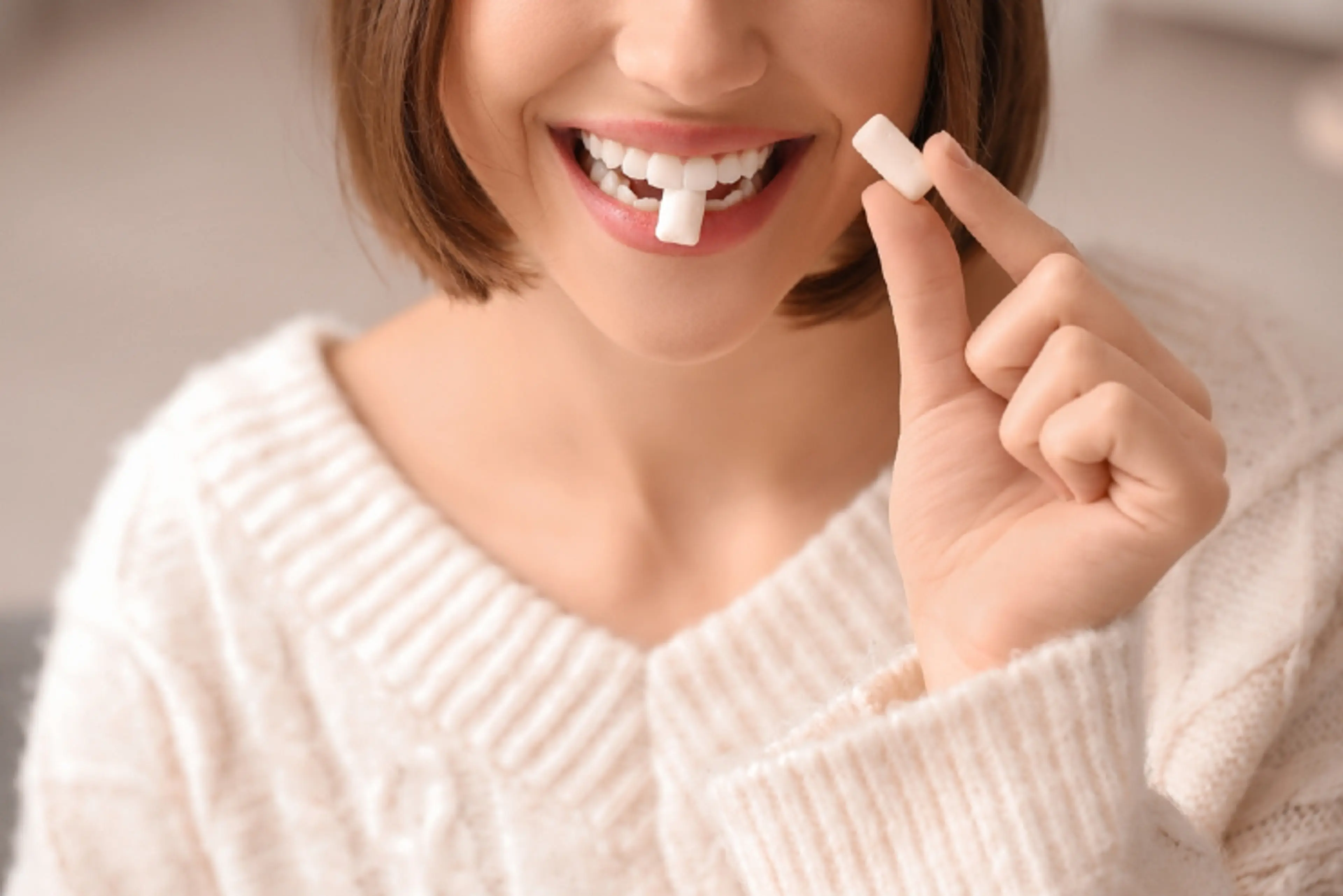
In Korea, chewing gum is more than a casual habit—it’s a cultural staple. From students refreshing their breath before class to professionals easing stress between meetings, gum is everywhere. But beyond fresh breath, a question often comes up in our dental chairs at S-Face Dental Clinic in Apgujeong, Gangnam:
“Can chewing gum actually prevent cavities?”
The short answer: yes—but only under certain conditions. When used correctly and as part of a broader oral care routine, specific types of chewing gum can help reduce the risk of cavities. But not all gum is created equal, and understanding why it works requires a closer look at how your mouth protects itself.
How Cavities Actually Form
how-cavities-actually-formBefore we talk about gum, let’s revisit how tooth decay develops.
Every time we eat, bacteria in our mouth feed on sugars and starches. These bacteria produce acid, which softens and demineralizes the enamel—the protective outer layer of the tooth. Normally, our saliva helps neutralize these acids and remineralize enamel with calcium and phosphate.
But when acid attacks happen too frequently or saliva flow is reduced, the balance tips toward decay. Over time, tiny soft spots turn into cavities.
This is where chewing gum can make a surprising difference.
The Role of Saliva: Your Mouth’s Natural Defense
the-role-of-saliva:-your-mouth's-natural-defenseChewing stimulates saliva flow—up to ten times more than your resting rate. That saliva isn’t just water; it’s a powerful, biologically active fluid filled with minerals, enzymes, and buffers that neutralize acids and wash away food debris.
When you chew gum (especially sugar-free gum), your body essentially “turns on” its natural cavity defense system. The extra saliva helps:
Neutralize acids that erode enamel
Replenish lost minerals
Rinse away bacteria and food particles
Keep the mouth moist, which is vital for patients with dry mouth
At S-Face Dental Clinic, we often explain it this way:
“Chewing sugar-free gum after meals is like running a gentle mouth rinse powered by your own body.”
Not All Gum Is Equal: Why Sugar-Free Matters
not-all-gum-is-equal:-why-sugar-free-mattersIf chewing gum can be protective, it’s natural to ask: Which gum should I choose?
The critical factor is sugar content. Gums sweetened with real sugar (like sucrose or glucose) feed oral bacteria—the very organisms that cause decay. They may increase cavity risk rather than reduce it.
On the other hand, sugar-free gums—especially those sweetened with xylitol, sorbitol, or erythritol—can inhibit bacterial activity. Among these, xylitol stands out as a clinically proven cavity-fighting ingredient.
Xylitol: The Dentist’s Favorite Ingredient
xylitol:-the-dentist's-favorite-ingredient
Xylitol is a natural sugar alcohol derived from plants like birch or corn. Unlike regular sugar, oral bacteria such as Streptococcus mutans cannot metabolize xylitol, which means:
Bacteria can’t produce acid from it.
Repeated exposure actually weakens bacterial activity over time.
Clinical studies—including those reviewed by the Korean Academy of Preventive Dentistry—show that chewing xylitol gum several times daily can significantly lower cavity incidence, particularly in children and teenagers.
At S-Face, we sometimes recommend xylitol gum to young patients who struggle with frequent snacking or dry mouth—provided they also maintain proper brushing and flossing habits.
How (and When) to Chew Gum for Oral Health
how-(and-when)-to-chew-gum-for-oral-healthLike all preventive measures, effectiveness depends on how you use it. Here’s what most dentists—including our team at S-Face—recommend:
Chew sugar-free gum for 10–20 minutes after meals or snacks.
Avoid overuse—constant chewing can strain jaw muscles or worsen TMJ symptoms.
Choose xylitol-rich gums (look for 1–2 grams of xylitol per piece).
Don’t skip brushing or flossing—gum is a complement, not a substitute.
Patients with orthodontic appliances or jaw joint pain should check with their dentist before making gum a routine habit.
The Limitations: What Gum Can’t Do
the-limitations:-what-gum-can't-doDespite its benefits, chewing gum isn’t magic. It cannot:
Remove hardened plaque or tartar
Reach between teeth the way floss can
Repair deep enamel damage or reverse active decay
Think of it as a helper, not a replacement. Just as using moisturizer doesn’t replace sunscreen, chewing gum doesn’t replace proper oral hygiene.
At S-Face, we’ve seen patients who rely heavily on gum instead of brushing. Over time, that habit leads to hidden decay, particularly between molars and around the gumline.
A Korean Perspective: Why Gum Is Popular—and Useful
a-korean-perspective:-why-gum-is-popularand-usefulIn Korea, where coffee, spicy food, and convenience snacks are part of daily life, gum plays a practical role. Many people chew it after lunch to freshen breath before meetings or social interactions.
If done with the right type of gum, that everyday habit can genuinely support preventive oral health, especially for those who cannot brush immediately after eating.
“When you can’t brush, chew xylitol gum instead—it’s the next best thing,” says Dr. Gin-Ah Song, oral & maxillofacial surgeon and director of S-Face Dental Clinic.
“But remember, it’s a supportive measure, not the main defense.”
Patients Who Benefit Most from Sugar-Free Gum
patients-who-benefit-most-from-sugar-free-gum
Certain individuals can particularly benefit from regular gum chewing:
People with dry mouth (xerostomia)—whether due to medication, age, or stress.
Students and office workers who snack or sip coffee throughout the day.
Orthodontic patients who need extra saliva flow for comfort and hygiene.
Children and teens learning consistent oral care habits.
At S-Face, we often include sugar-free gum as part of a personalized preventive program, combining it with fluoride treatment, scaling, and dietary guidance.
The Science in Simple Terms
the-science-in-simple-termsThink of xylitol gum as a small daily “exercise” for your saliva glands. Each chewing session boosts saliva flow, cleans the mouth naturally, and helps keep bacteria in check.
When used regularly over months or years, it doesn’t just prevent decay—it conditions your mouth to stay balanced and hydrated. That’s one reason why modern preventive dentistry in Korea often includes xylitol chewing gum as part of holistic care, particularly in schools and corporate wellness programs.
What to Look for When Buying Gum
what-to-look-for-when-buying-gumWhen choosing a brand, check the label for:
✅ “Sugar-free” or “No added sugar”
✅ “Contains xylitol” (ideally listed among the first ingredients)
✅ Total xylitol content per serving (1–2g minimum)
Avoid gums that list sucrose, corn syrup, or fructose—even in small amounts.
At S-Face, we do not endorse specific brands but generally advise selecting those approved by the Korean Dental Association (KDA) or containing dental health seals recognized internationally.
A Balanced Perspective from S-Face Dental Clinic
a-balanced-perspective-from-s-face-dental-clinicTo be honest, chewing gum alone won’t keep you cavity-free. But it’s a remarkably simple, accessible tool for improving oral balance—especially in our busy, snack-friendly lifestyles.
When combined with daily brushing, regular dental visits, and balanced nutrition, sugar-free gum becomes part of a smart, sustainable strategy for lifelong oral health.
If you’re unsure which gum fits your needs—or if you experience chronic dryness, tooth sensitivity, or frequent cavities—visit a comprehensive dental center like S-Face Dental Clinic in Apgujeong, Gangnam. Our team will assess your saliva health, cavity risk, and tailor a preventive plan that suits your lifestyle.
Final Takeaway
final-takeawayCan chewing gum prevent cavities?
Yes—if it’s sugar-free, especially with xylitol, and used as a complement to proper oral hygiene.
Your saliva is nature’s best defense, and chewing gum simply helps it do its job better.
So the next time you reach for a piece of gum, think beyond fresh breath—you might be giving your teeth a small but meaningful layer of protection.