By S-Face Dental Clinic, Apgujeong, Gangnam – Seoul’s Center for Restorative & Esthetic Dentistry
When patients invest in a dental crown—whether after root canal treatment, fracture, or cosmetic restoration—they often ask a simple but honest question:
“Will this crown last forever?”
The short answer: no, but with expert design, proper materials, and good oral care, a well-made crown can serve beautifully for 10 to 20 years or more. The longer answer depends on something deeper—how the crown was made, how it fits your bite, and how your habits shape its longevity.
At S-Face Dental Clinic, we see dental crowns not as mere covers for damaged teeth but as engineered restorations designed to work in harmony with your jaw, muscles, and aesthetics. Let’s explore what really determines how long your crown lasts—and how to help it last as long as possible.
1. A Crown Is a Precision Structure, Not a Shell
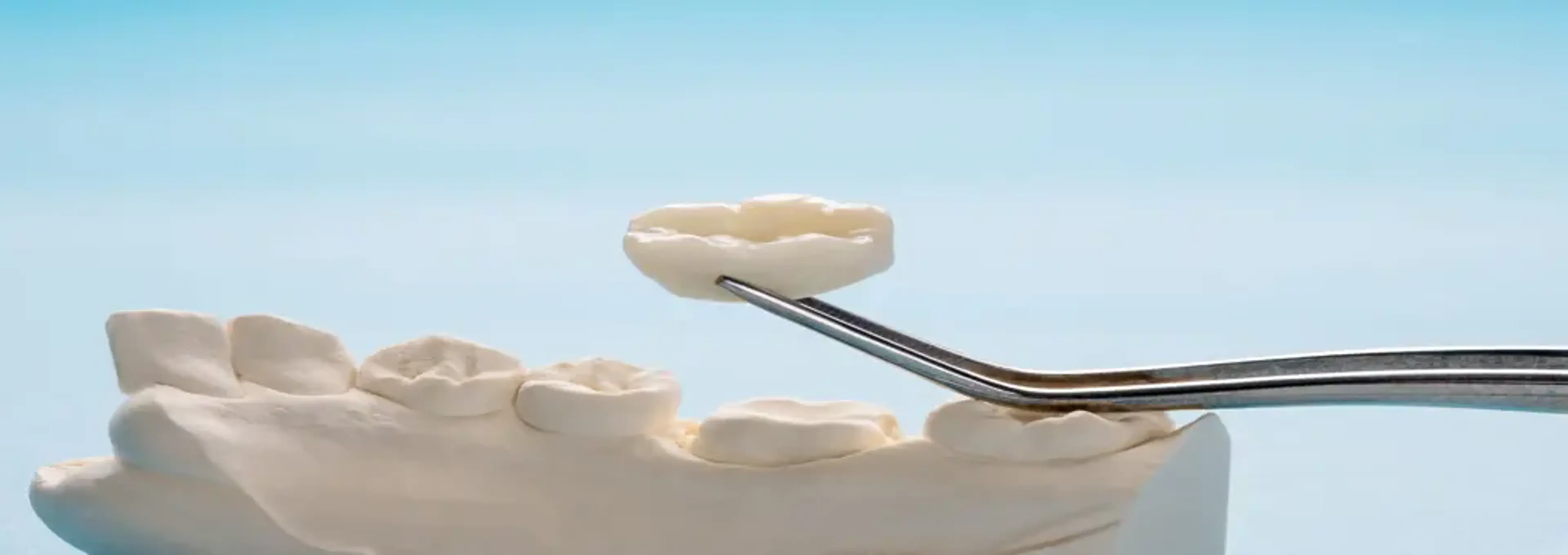
1.-a-crown-is-a-precision-structure-not-a-shellMany people imagine a dental crown as a simple “cap.” In reality, it’s more like the architectural dome of a building—meticulously shaped to balance function, bite, and appearance.
A properly made crown must:
Fit snugly over the prepared tooth (with micron-level precision).
Restore the natural shape for chewing and speaking.
Seal the tooth from bacterial leakage.
Distribute chewing forces evenly to prevent fractures.
When any of these elements is compromised—even slightly—the crown’s lifespan shortens. That’s why at S-Face, Dr. Gin-Ah Song and her team emphasize digital scanning and surgeon-level precision in crown preparation. We use intraoral scanners and 3D design software to eliminate the small margin of error that can make or break longevity.
“A crown isn’t just a cosmetic fix—it’s a micro-engineered part of your bite system,” explains Dr. Song.
“When it’s crafted with accuracy, it can easily serve you for decades.”
2. Materials Matter: Porcelain, Zirconia, or Metal?
2.-materials-matter:-porcelain-zirconia-or-metalNot all crowns age the same way. The material you choose plays a major role in both durability and esthetics.
Crown Type | Strength | Aesthetics | Average Lifespan | Notes |
|---|
Porcelain-fused-to-metal (PFM) | High | Good | 10–15 years | Reliable but can show metal at gum line over time. |
All-ceramic (E.max, lithium disilicate) | Medium-high | Excellent | 10–15 years | Ideal for front teeth; beautiful translucency. |
Zirconia | Very high | Very good | 15–20+ years | Best for molars; strong, biocompatible, fracture-resistant. |
Gold alloy | Very high | Moderate | 20+ years | Longest-lasting, though less esthetic; rare today in Korea. |
At S-Face, zirconia and E.max crowns are the most commonly chosen materials. They blend durability with the natural beauty expected by patients in Apgujeong’s esthetic dentistry culture.
Zirconia, in particular, behaves much like natural enamel—it resists wear, maintains color stability, and adapts well to the bite without microcracking.
3. The Foundation Must Be Healthy
3.-the-foundation-must-be-healthyA crown is only as strong as the tooth beneath it. If decay, microleakage, or root canal failure occurs underneath, the entire restoration is compromised.
This is why preparation and sealing are crucial. Before placing a crown, we:
Treat any decay or infection fully.
Build up missing tooth structure for solid support.
Verify gum health and bone stability.
Skipping any of these steps may cause the crown to loosen, leak, or fail prematurely.
At S-Face, we routinely take periapical X-rays or 3D scans before and after crown placement to confirm long-term integrity. This preventive precision is one reason our restorations last well beyond average expectations.
4. Daily Habits That Shorten a Crown’s Life
4.-daily-habits-that-shorten-a-crown's-life
Even the strongest material can’t withstand constant stress or neglect. Common habits that shorten crown lifespan include:
Bruxism (teeth grinding): Creates microfractures in both natural and artificial enamel.
Chewing ice or hard foods: Can chip porcelain or loosen cement.
Poor flossing technique: Allows bacteria to creep under the crown edge.
Skipping dental checkups: Small issues—like marginal gaps—go unnoticed until failure occurs.
To be honest, many patients believe that once a crown is cemented, the tooth is “safe forever.” In reality, the crown and the gum line around it need the same daily care as natural teeth.
“The gum line is where most crowns fail,” Dr. Song notes.
“If plaque accumulates there, decay can start at the margin—silently, and often painlessly.”
That’s why S-Face emphasizes individualized hygiene coaching and bite assessment after every crown case. If bruxism is detected, a custom night guard can significantly extend crown life.
5. The Role of Technology and Fit Precision
5.-the-role-of-technology-and-fit-precisionModern digital dentistry has transformed how long crowns last.
At S-Face Dental Clinic, we use CAD/CAM systems, which allow crowns to be designed and milled digitally within microns of accuracy. This eliminates the subtle misfits that can cause:
Food trapping
Gum inflammation
Cement washout over time
A perfectly sealed margin means less bacterial infiltration, less gum recession, and a crown that stays stable for years.
The technology is only part of the equation—the artistry of the clinician remains central. Dr. Song personally adjusts every crown’s occlusion (bite balance) under magnification, ensuring that it integrates seamlessly with your natural dentition.
6. When to Replace a Crown
6.-when-to-replace-a-crownEven the best crown won’t last forever. Replacement may be needed if you notice:
Gum recession revealing the edge of the crown
Dark lines near the gum (common with older PFM crowns)
Sensitivity, pain, or looseness
Visible cracks or chips
Chronic bad breath around a crowned tooth
Typically, crowns last 10–20 years, but many patients treated with high-quality zirconia crowns at S-Face maintain theirs for 25 years or more, especially when paired with consistent hygiene and bite protection.
7. A Word on Esthetics: Crowns Age, Faces Change
7.-a-word-on-esthetics:-crowns-age-faces-changeAn overlooked truth: as our gums and facial structures change with age, even the most beautiful crown may start to look slightly “off.” Gum levels recede, lips shift, and color perception evolves.
This doesn’t mean the crown has failed—it’s simply part of natural aging. Many patients visit S-Face to update older crowns for a harmonized smile rejuvenation that matches their current facial profile.
“Dental esthetics should age gracefully, just like the person wearing them,” says Dr. Song.
“When we design crowns, we think not only of today’s beauty but of how it will look ten years from now.”
8. Caring for Your Crown Like a Surgeon Would
8.-caring-for-your-crown-like-a-surgeon-would
If you’ve invested in a dental crown, treat it as you would a fine watch or musical instrument—routine, mindful maintenance keeps it at its best.
Here’s how to extend its lifespan:
Brush twice daily with a soft brush and fluoride toothpaste.
Floss gently under the gum line using threaders or water flossers.
Avoid biting on pens, nuts, or ice.
Visit your dentist every 6 months for scaling and bite adjustment.
Use a night guard if you grind your teeth.
At S-Face, every crown case includes a long-term care plan customized to your bite pattern, gum type, and restoration material. This continuity of care is what keeps our patients’ restorations strong and natural-looking over the years.
9. The Bottom Line: Quality and Care Define Longevity
9.-the-bottom-line:-quality-and-care-define-longevitySo, do dental crowns last forever?
Not exactly—but a crown that’s designed with scientific precision, placed on a healthy foundation, and cared for with diligence can feel timeless in its function and beauty.
Whether you need a single crown, full-mouth rehabilitation, or esthetic smile correction, S-Face Dental Clinic offers surgeon-led restorative care that combines digital technology with personalized artistry.
S-Face Dental Clinic
Apgujeong, Gangnam, Seoul
Specialized in Esthetic Prosthodontics, Dental Implants, and Oral & Maxillofacial Surgery
“Beautiful smiles are built to last—but only when science and care meet precision.”