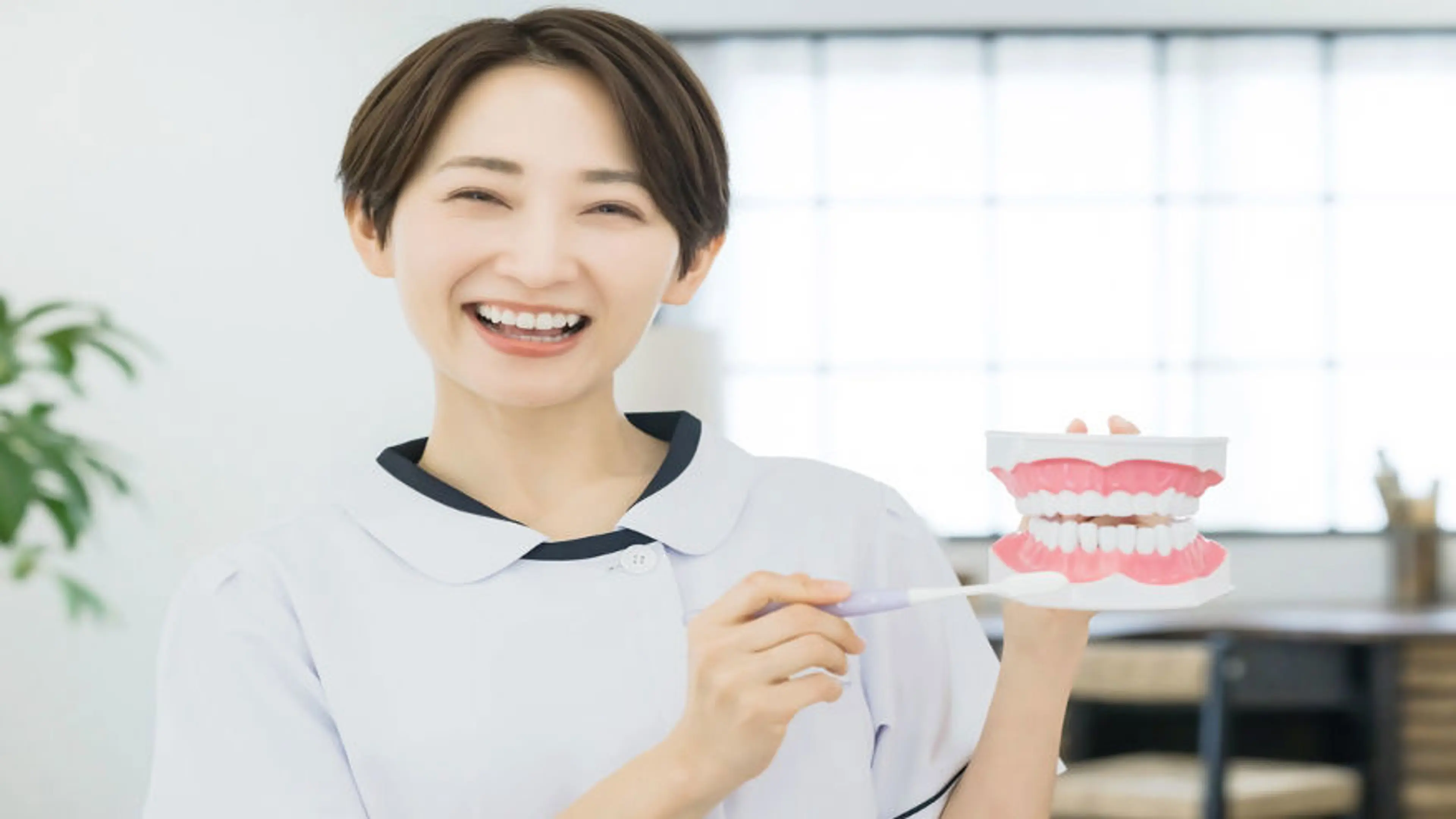
It’s 10 p.m. in Apgujeong. You’ve had a long day, and brushing your teeth feels like a small chore before bed. You reach for your toothbrush—one of those sleek, app-connected devices that promises to make oral care smarter. A cheerful tone pings from your phone: “You missed your upper molars last night. Try angling the brush 15 degrees more today.”
It’s an oddly futuristic moment. But does this technology actually help people brush better—or is it just another gadget trend?
At S-Face Dental Clinic in Gangnam, where we see patients from both Korea and abroad, this question comes up surprisingly often. As dentists, we’ve watched technology transform almost every corner of oral care, from 3D implant planning to digital orthodontics. Yet, brushing—one of the simplest daily habits—remains deeply human. So where do “smart toothbrushes” fit into that balance?
The Rise of Smart Toothbrushes in Everyday Dentistry
the-rise-of-smart-toothbrushes-in-everyday-dentistrySmart toothbrushes aren’t just electric brushes with timers anymore. They’re mini data analysts. Most use built-in sensors and Bluetooth to connect to your smartphone, tracking how long, how often, and how effectively you brush.
Some models can even map your mouth in 3D, showing which zones you missed or pressed too hard on. The idea is that this feedback—when used consistently—helps people adopt more mindful, consistent brushing habits.
In Korea, where dental hygiene standards are particularly high, smart brushes have found a strong foothold among tech-conscious patients. Many of our younger patients, especially those in their 20s and 30s, arrive already using connected brushes from brands like Oral-B iO or Philips Sonicare.
But the question remains: does the data really change behavior—or just create digital guilt?
What Studies (and Dentists) Actually Say
what-studies-(and-dentists)-actually-sayResearch on smart toothbrushes is promising but nuanced. A 2019 study in the Journal of Clinical Periodontology found that people using connected brushes demonstrated better plaque removal and brushing time after four weeks compared to manual brush users. However, the improvement leveled off after a few months once the novelty faded.
In other words, smart toothbrushes may kickstart good habits—but sustaining them still depends on personal motivation.
At S-Face Dental Clinic, we see this pattern firsthand. Patients who start with enthusiasm often drift back to old habits once their phone reminders stop feeling novel. Others, especially those who enjoy data or gamified feedback, integrate it into their lifestyle long-term.
To be honest, the effectiveness isn’t purely technological—it’s psychological.
Why Most People Still Brush Incorrectly
why-most-people-still-brush-incorrectly
Even with decades of public health campaigns, incorrect brushing remains astonishingly common. Many people brush too quickly (under a minute), too hard (causing gum wear), or too flat (missing gumline plaque).
A smart toothbrush can help identify these mistakes. For instance:
Pressure sensors warn you when you’re brushing too aggressively.
Timers ensure you meet the two-minute guideline.
Real-time guidance shows which zones you missed.
But technology can only correct technique if you act on the feedback. The brush may “know” your weak spots, but only you can slow down, adjust your angle, and build new muscle memory.
As Dr. Gin-Ah Song, our oral and maxillofacial surgeon, often tells patients:
“A smart brush can measure your brushing—but it can’t replace mindful brushing. It’s like a GPS that shows the route, but you still have to drive.”
When Smart Toothbrushes Truly Shine
when-smart-toothbrushes-truly-shineFor certain groups, smart brushes can be a game-changer:
Children and teens: The gamified feedback and visual scoring encourage consistent habits early.
Orthodontic patients: For those wearing braces, detailed mapping helps ensure brackets and wires are cleaned thoroughly.
Implant or crown patients: Monitoring pressure prevents excessive force on prosthetic restorations.
Elderly users or caregivers: App tracking helps family members ensure consistent hygiene routines.
At S-Face, we often recommend smart toothbrushes to patients undergoing implant or esthetic prosthetic treatments. Cleanliness around these restorations is critical—plaque control directly affects implant longevity and gum health. For these patients, the brush’s reminders and analytics aren’t gimmicks; they’re preventive tools that protect a surgical investment.
The Hidden Value: Awareness and Accountability
the-hidden-value:-awareness-and-accountabilityWhat smart toothbrushes really offer is awareness.
They turn an invisible habit into visible data. Many users are surprised when they see how often they miss molar surfaces or rush through morning brushing.
In a culture like Korea’s—where preventive dental visits are already common—this kind of self-monitoring adds another layer of accountability between checkups. It helps patients participate actively in their oral health rather than relying solely on professional cleanings every six months.
As we often remind our patients: daily habits build long-term health more than any one dental visit.
Limitations: Technology Alone Isn’t a Cure
limitations:-technology-alone-isn't-a-cure
Despite the excitement, smart brushes aren’t a magic solution. Their effectiveness depends on:
Consistent use (many users stop syncing after a few weeks)
Proper brushing technique (angle and motion still matter more than the brush itself)
App fatigue (constant notifications can cause people to disengage)
Ultimately, no device can replace the fundamentals: gentle, circular motions, twice-daily brushing, daily flossing, and regular dental checkups.
Technology is a support system—not a substitute for discipline.
A Dentist’s Perspective: The Sweet Spot Between Smart and Simple
a-dentist's-perspective:-the-sweet-spot-between-smart-and-simpleAt S-Face Dental Clinic, we don’t see smart toothbrushes as a must-have gadget or a passing trend. We see them as tools that can enhance awareness, especially when guided by a dental professional.
During checkups, we sometimes review a patient’s brushing app data together. When combined with clinical findings—like gum inflammation or plaque patterns—it becomes a teaching moment. This collaborative approach turns technology into a bridge between home care and professional care.
Our experience shows that patients who combine data feedback with personalized coaching from their dentist show the most consistent long-term improvement. The key is balance: digital precision paired with human guidance.
So, Do Smart Toothbrushes Really Improve Brushing Habits?
so-do-smart-toothbrushes-really-improve-brushing-habitsThe honest answer: yes—but only if you engage with them mindfully.
Smart toothbrushes are like personal trainers for your teeth—they can guide, remind, and motivate. But just as a fitness tracker won’t make you exercise, a connected brush won’t make you brush better unless you commit to the process.
If you’re curious whether your brushing technique truly supports your oral health—especially if you have implants, veneers, or orthodontic work—consider bringing your brush data to your next checkup. A surgeon-led clinic like S-Face Dental Clinic can interpret those insights within the context of your gum health, bone condition, and long-term maintenance needs.
Final Thought: Smart Habits Come from Smart Awareness
final-thought:-smart-habits-come-from-smart-awarenessOral health technology will keep advancing—AI brushing assistants, 3D oral scanners, even smart floss are already on the horizon. But the principle remains timeless: the best dental care begins with awareness.
A smart toothbrush can guide your hands.
Your dentist can guide your understanding.
But your commitment turns those insights into lifelong health.
If you’d like to learn how to optimize your brushing or protect your implants and restorations, visit S-Face Dental Clinic in Apgujeong, Gangnam. Our team combines digital innovation with personalized care to help every patient achieve a clean, confident smile that lasts.