Home / Articles
How Much for Full-Mouth Implants in Korea? 30% Cheaper Than Japan Clinics
Home / Articles
How Much for Full-Mouth Implants in Korea? 30% Cheaper Than Japan Clinics
If you are struggling with significant tooth loss, the search for a permanent solution often leads to a crossroad: Japan or South Korea? While both nations offer high-tech medical care, South Korea has emerged as the global leader for Full-Mouth Implants. For patients seeking to restore their smile, functionality, and confidence, South Korea provides a unique combination of world-class surgical expertise and a price point that is consistently 30% cheaper than clinics in Japan.
Choosing to undergo a major dental procedure abroad is a significant decision. However, when it comes to restorative dentistry, South Korea is widely considered the cheapest and best destination for treatment. This guide will walk you through the costs, the advanced technology used, and why thousands of patients are choosing Seoul over Tokyo for their dental transformations.
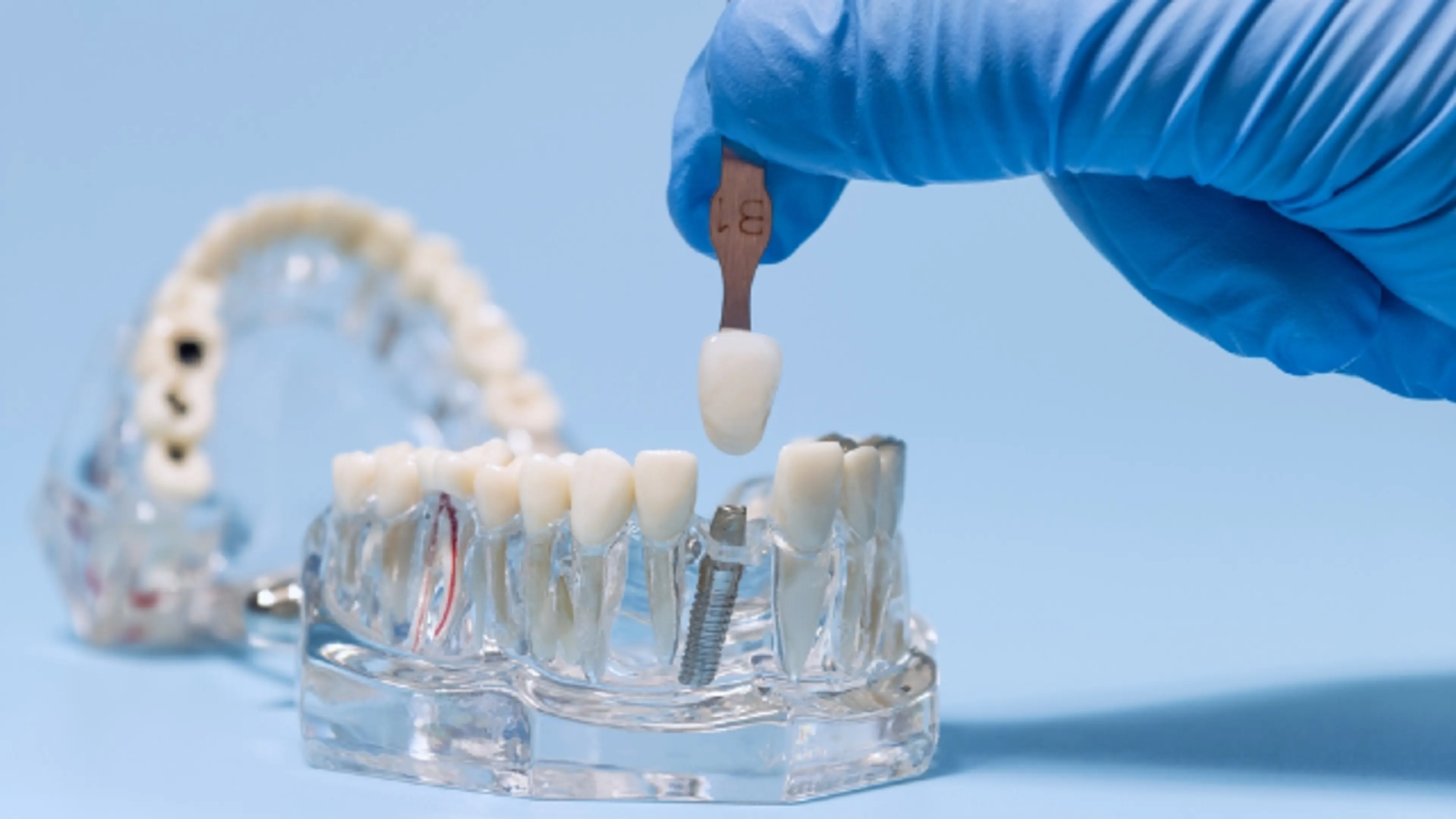
In South Korea, this procedure is performed using Digital Guided Surgery. This means surgeons use 3D printing and computer simulations to find the exact spot in your jawbone with the highest density. This precision is why Korea has one of the highest success rates in the world for dental restorations.
South Korea leads this field largely due to the sheer volume of board-certified oral surgeons concentrated in areas like Seoul. These specialists perform thousands of full-mouth restorations annually, giving them a level of practical experience that is hard to match elsewhere in Asia.
When patients compare Japan and South Korea, the quality of care is often similar, but the clinical overhead in Japan is significantly higher. In Japan, dental materials are often imported from Europe or the USA, whereas South Korea manufactures its own top-tier implant brands.
As shown in the table below, South Korea is the cheapest and most efficient location for this high-end treatment.
Country | Estimated Cost (USD) | Savings vs. Japan | Quality Level |
|---|---|---|---|
South Korea | $7,000 – $12,000 | Baseline (Cheapest) | World-Class |
Japan | $10,000 – $18,000 | +30% to 40% More | High |
USA / Canada | $25,000 – $35,000 | +200% More | High |
UK / Australia | $20,000 – $30,000 | +150% More | High |
By choosing South Korea, patients generally save at least 30% compared to Japanese clinics. These savings allow patients to afford higher-quality materials, such as Zirconia bridges, which might be cost-prohibitive in other countries.
One reason South Korea is the best for treatment is the transparency of their medical billing. Clinics often provide "Global Patient Packages" that cover the entire journey. In many Japanese clinics, items like 3D CT scans or temporary bridges are added as extra fees. In Korea, these are almost always bundled.
Service Item | Included in Korea? | Estimated Value |
|---|---|---|
3D CT Scan & Digital X-rays | Yes | Free / Included |
Custom Abutments (Titanium) | Yes | Included |
Temporary Bridge (Same-Day) | Yes | Included |
Medication & Post-Op Care | Yes | Included |
10% Medical Tax Refund | Yes | Saves ~$1,000+ |
This transparency ensures there are no "hidden surprises" when you arrive at the clinic. Additionally, South Korea is one of the few countries that offers a 10% VAT refund specifically for foreign medical tourists, further cementing its status as the most affordable high-end destination.
You might wonder how South Korea can be 30% cheaper than Japan without sacrificing quality. The answer lies in the infrastructure of the Korean dental industry.
Your journey begins with a 3D CT scan. The surgeon uses AI software to map your nerves and bone structure. This "digital twin" of your mouth allows the doctor to perform the surgery virtually before even touching your jaw.
Most Korean clinics offer "Sleep Dentistry" or IV Sedation. You will be in a comfortable, twilight sleep throughout the procedure. The surgeon places the implants, and because of the digital guide, no large incisions are usually necessary. This significantly reduces swelling and pain.
In many cases, you will receive a high-quality temporary bridge on the same day or the next day. You can leave the clinic with a functional set of teeth while the implants fuse with your bone over the next few months.
Some patients have been told they aren't candidates for implants because of "low bone density." South Korean specialists are experts in complex bone grafting and sinus lifts.
Because South Korea is the cheapest destination for these auxiliary treatments, you can often get the necessary bone prep for a fraction of what it costs in Japan. Surgeons here use advanced "Platelet-Rich Fibrin" (PRF) techniques, using your own blood to speed up bone healing, which is a standard of care in Seoul.
Most top-tier dental clinics are located in the Gangnam or Apgujeong districts of Seoul. These areas are specifically geared toward international visitors.
For the first stage of the procedure, you should plan to stay for 7 to 10 days. This allows time for the initial consultation, the surgery, and the fitting of your temporary bridge. You will return a few months later for about 5 days to receive your permanent zirconia teeth.
Yes. Korean clinics use globally recognized brands like Osstem, Dentium, and Straumann. You will receive an "Implant Passport" containing the serial numbers and brand details of your implants. Any dentist worldwide can use this information to maintain or service your implants.
Absolutely not. The lower price is a result of South Korea’s massive domestic production of dental hardware and an incredibly efficient medical system. In many cases, the technology used in Seoul is more advanced than what you would find in Tokyo or Osaka.
Most international insurance plans do not pay the clinic directly. However, Korean dental clinics are very experienced with international patients and will provide all the necessary English-language medical records, itemized receipts, and X-rays required for you to claim reimbursement from your provider at home.
With the use of IV Sedation (Sleep Dentistry), you will not feel pain during the surgery. Most patients describe the post-operative feeling as a dull ache or pressure, which is easily managed with the medication provided by the clinic.
When you pay for your treatment, ask the clinic for a "Medical VAT Refund" document. At the airport (Incheon or Gimpo), locate the tax refund kiosks before you clear security. Scan your passport and the document to receive your 10% refund in cash or back to your credit card.