Protecting your smile during the transition to your final restoration
Imagine this: you’ve just completed the first stage of a crown procedure. The tooth has been carefully reshaped, and your dentist places a smooth, tooth-colored temporary crown to protect it. Everything feels fine — until a few days later, you bite into something sticky, and the crown suddenly loosens.
This moment of panic is common. At S-Face Dental Clinic in Apgujeong, we often receive urgent calls from patients saying, “My temporary crown came off! What should I do?”
The truth is, temporary crowns are an essential — but delicate — step in the process of restoring a tooth. With proper care, they’ll protect your tooth and maintain your bite alignment until your permanent crown is ready. Without it, complications like sensitivity, shifting, or infection can occur.
Let’s explore what temporary crowns really do, why they matter, and how to care for them properly.
What Is a Temporary Crown?
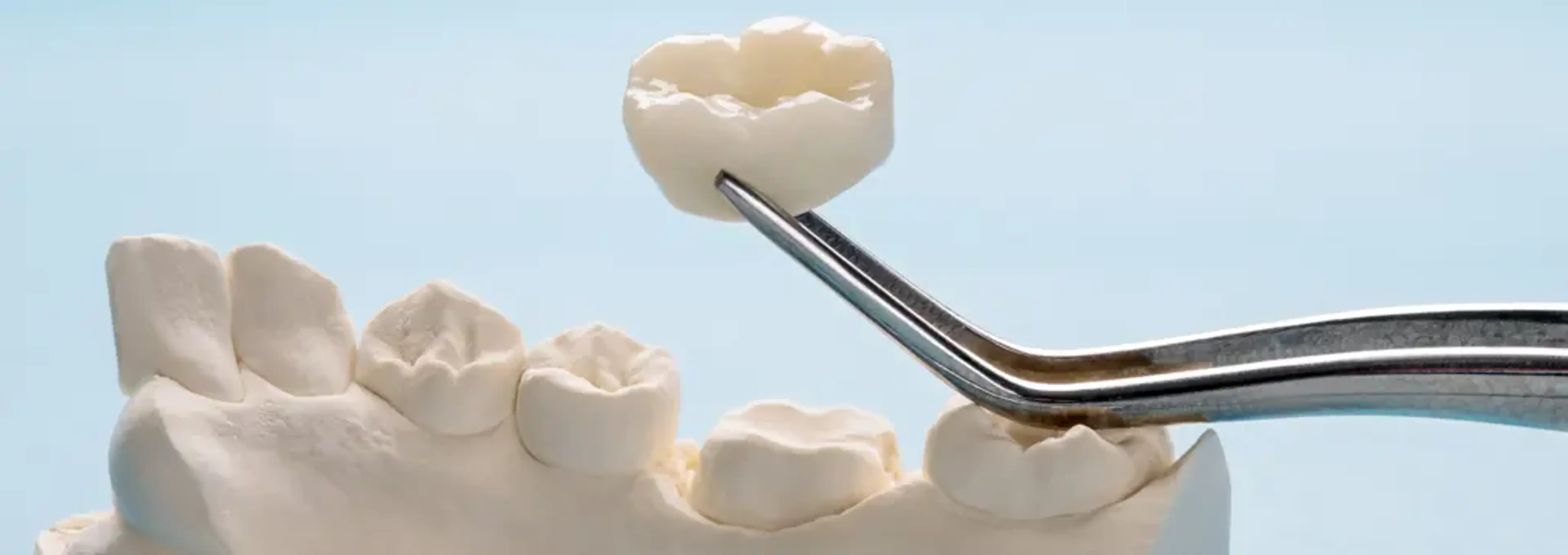
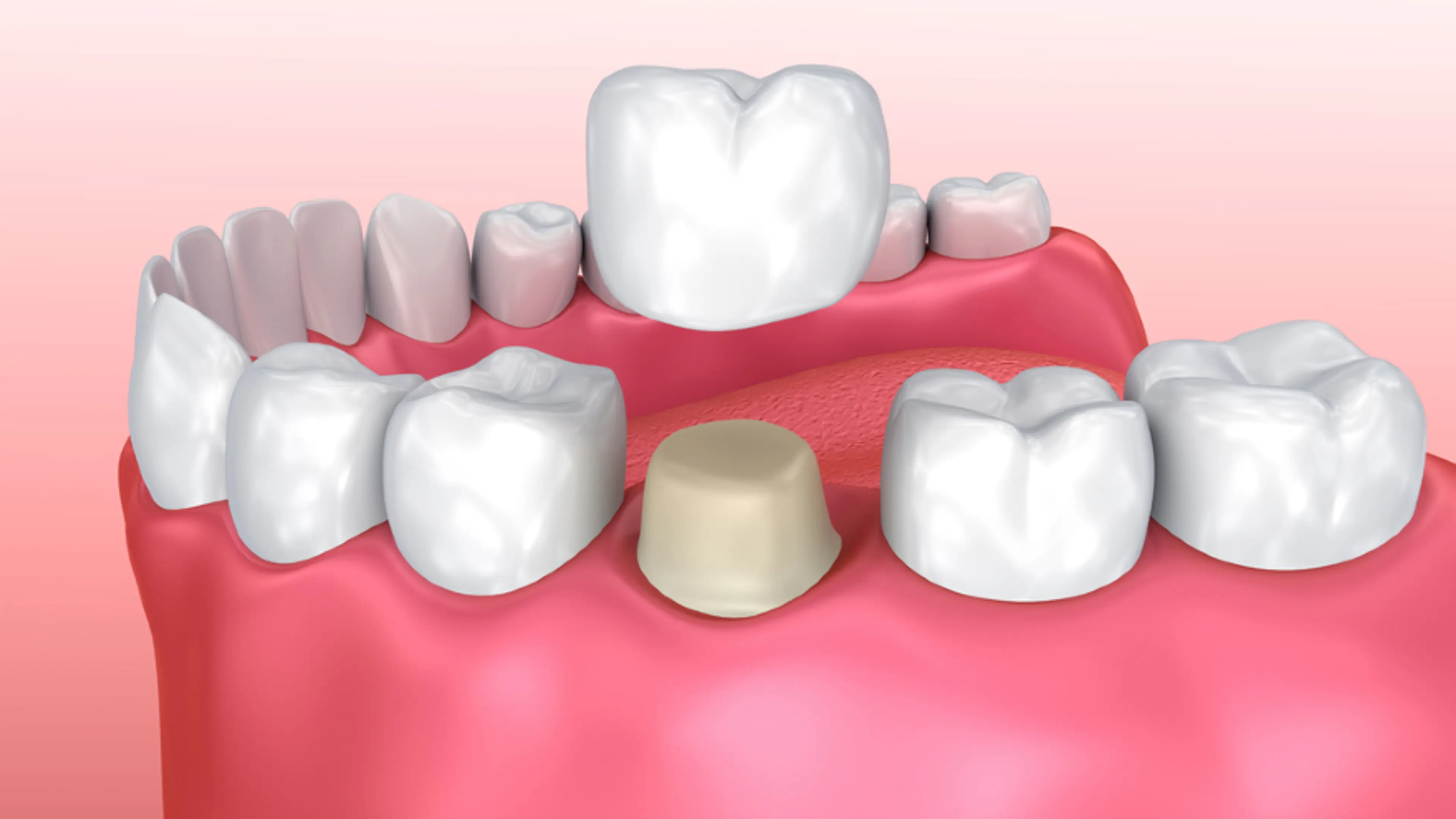
what-is-a-temporary-crownA temporary crown is a short-term, protective cover placed over a prepared tooth after it’s been shaped for a permanent crown. It’s usually made of acrylic or resin material and is cemented with a gentle adhesive that allows easy removal once your final crown is ready.
At S-Face Dental Clinic, temporary crowns are designed with precision using digital scans, ensuring they fit comfortably and mimic the look of natural teeth — even though they’re only worn for one to three weeks.
Purpose of a Temporary Crown:
Protection — shields the prepared tooth and nerve from temperature sensitivity, pressure, and bacteria.
Stabilization — prevents nearby teeth from drifting into the open space, maintaining your correct bite alignment.
Aesthetics — preserves your smile’s natural appearance while the lab fabricates your permanent crown.
Functionality — allows you to chew and speak comfortably while you wait for the final restoration.
In short, a temporary crown is your tooth’s “bodyguard” — it stands in place until the permanent, custom-fitted crown takes over.
Why Care Matters So Much
why-care-matters-so-muchEven though temporary crowns are not meant to last forever, how you treat them during this short phase has a big impact on the success of your final result.
If a temporary crown comes loose or falls off, several things can happen quickly:
The exposed tooth can become extremely sensitive to temperature and pressure.
The tooth or surrounding gum may become irritated or infected.
Adjacent teeth can shift slightly, altering your bite and making the final crown harder to fit accurately.
In our clinical experience at S-Face Dental Clinic, even a small shift of 0.2 mm can affect how well your permanent crown fits. That’s why careful maintenance during this transition phase is critical.
How to Care for Your Temporary Crown
how-to-care-for-your-temporary-crown
1. Be Gentle When Chewing
1.-be-gentle-when-chewingTemporary crowns are made from softer materials than permanent ones. Hard or sticky foods can easily dislodge them.
Avoid:
Sticky foods like caramel, taffy, or rice cakes
Hard foods like nuts, ice, crusty bread, or bone broth residue
Very chewy foods like dried squid or steak
Try to chew on the opposite side of your mouth whenever possible. Soft foods — soups, steamed vegetables, fish, rice, eggs — are safer choices in the first few days.
Dr. Gin-Ah Song explains:
“The temporary crown protects your tooth, but it’s not built for battle. Treat it gently — think of it as a placeholder, not the final armor.”
2. Brush Carefully but Consistently
2.-brush-carefully-but-consistentlySome patients become nervous about brushing near the crown, fearing it might come off. But gentle, consistent brushing is essential to keep the area clean and prevent gum inflammation.
Use a soft-bristled toothbrush and brush in small circular motions around the crown, especially along the gumline. This prevents plaque from building up at the margins — where the temporary cement can weaken if irritated.
If your crown feels tender at first, try rinsing with lukewarm salt water (¼ teaspoon salt in a cup of warm water) once or twice a day to soothe the gums.
3. Floss with the Correct Technique
3.-floss-with-the-correct-techniqueFlossing around a temporary crown requires one key adjustment. Instead of pulling the floss upward after sliding it between the teeth (which could lift the crown off), slide the floss out gently from the side.
This simple change protects the temporary cement seal and keeps the crown secure. If the floss catches or feels tight, mention it at your next visit — your dentist can smooth any rough edges or adjust spacing.
At S-Face, we often recommend waxed floss or interdental brushes for easier, safer cleaning during this stage.
4. Watch for Sensitivity
4.-watch-for-sensitivityIt’s normal to experience mild sensitivity to temperature or pressure for a few days after crown preparation. However, sharp or persistent pain could indicate that the crown has loosened or that the tooth is exposed.
Pay attention to signs like:
Throbbing pain when biting
A feeling that the crown “moves” slightly
Sensitivity that worsens over time
If any of these occur, contact your dentist immediately. The fix is usually quick — re-cementing or adjusting the crown — but prompt attention prevents bigger complications.
5. Handle Accidents Calmly
5.-handle-accidents-calmlyIf your temporary crown falls off, don’t panic. Here’s what to do:
Retrieve the crown and keep it clean — rinse gently with water.
Do not try to glue it back yourself. Household adhesives are toxic and can damage the tooth.
If you can, place the crown back on the tooth lightly to protect it, but avoid biting down.
Call your dental clinic as soon as possible for professional re-cementation.
At S-Face Dental Clinic, we reserve same-day appointments for temporary crown emergencies. Reattachment is simple, safe, and takes only a few minutes.
Common Mistakes to Avoid
common-mistakes-to-avoid❌ Ignoring a Loose Crown
ignoring-a-loose-crownEven if it’s “still sitting in place,” a loose crown allows bacteria to enter underneath, risking decay or irritation. Always have it checked.
❌ Using Whitening Toothpaste
using-whitening-toothpasteAbrasive toothpaste can scratch the surface of a resin temporary, making it rougher and more prone to staining. Use a mild, fluoride-based paste instead.
❌ Biting Nails or Using Teeth as Tools
biting-nails-or-using-teeth-as-toolsThis habit can easily dislodge or crack a temporary crown. Remember — it’s functional, not indestructible.
How Long Do You Need to Wear a Temporary Crown?
how-long-do-you-need-to-wear-a-temporary-crownTypically, a temporary crown stays in place for 1 to 3 weeks, depending on the complexity of your case and how long it takes to fabricate your permanent crown.
At S-Face Dental Clinic, every crown — whether porcelain, zirconia, or hybrid ceramic — is custom-designed through digital CAD/CAM technology for optimal precision, color match, and bite function. This ensures that the final restoration fits perfectly when placed.
During the waiting period, Dr. Song and her team monitor gum healing and tissue adaptation. That way, when the final crown is cemented, it not only looks natural but integrates seamlessly with your bite and neighboring teeth.
What to Expect When You Receive Your Permanent Crown
what-to-expect-when-you-receive-your-permanent-crown
Your final crown will be:
Made of durable ceramic or zirconia, designed to last 10–15 years or longer
Precisely color-matched to your surrounding teeth
Fitted and adjusted for perfect bite balance
When you return for your final appointment, the dentist will:
Remove your temporary crown and clean the tooth.
Try in the permanent crown to assess color, shape, and contact points.
Make small bite adjustments if needed.
Cement the crown permanently with a strong, biocompatible adhesive.
Afterward, mild sensitivity may occur for a day or two, but it fades quickly. You can resume normal eating and brushing — no more special precautions.
Why Precision Matters at S-Face Dental Clinic
why-precision-matters-at-s-face-dental-clinicAt S-Face Dental Clinic, we don’t treat temporary crowns as “just a short-term step.” Every phase — from tooth preparation to the final restoration — is guided by surgical-level precision.
Under the direction of Dr. Gin-Ah Song, DDS, Ph.D., a Seoul National University–trained oral and maxillofacial surgeon, our clinic integrates 3D imaging, digital impression systems, and meticulous bite analysis to ensure perfect fit and function.
This level of attention is especially crucial for:
Implant-supported crowns — where bite accuracy affects implant longevity
Full-mouth rehabilitations — requiring balanced occlusion across multiple restorations
Patients with jaw asymmetry or TMJ issues — where every millimeter matters
By combining advanced technology with compassionate care, we ensure that even the “temporary” phase is safe, comfortable, and esthetically pleasing.
Final Thoughts
final-thoughtsTemporary crowns might seem like a small part of the treatment process, but they play a major role in protecting your oral health and ensuring the success of your final restoration.
With gentle brushing, careful eating, and prompt attention to any looseness, you can easily avoid complications during this waiting period.
If your temporary crown feels loose, causes discomfort, or falls out, don’t wait — schedule a quick visit to a trusted, precision-focused clinic like S-Face Dental Clinic in Apgujeong. Our team will secure it, ensure your tooth is protected, and prepare you for the seamless transition to your permanent crown.
Your new smile deserves stability from start to finish — and that begins with proper care, even before the final crown arrives.
S-Face Dental Clinic — Advanced Restorative & Aesthetic Dentistry in Apgujeong, Gangnam
📍 Expert care for crowns, implants, and esthetic restorations
👩⚕️ Directed by Dr. Gin-Ah Song, DDS, Ph.D. (Seoul National University)
💎 Precision-driven, patient-first treatment trusted by local and international patients