Home / Articles
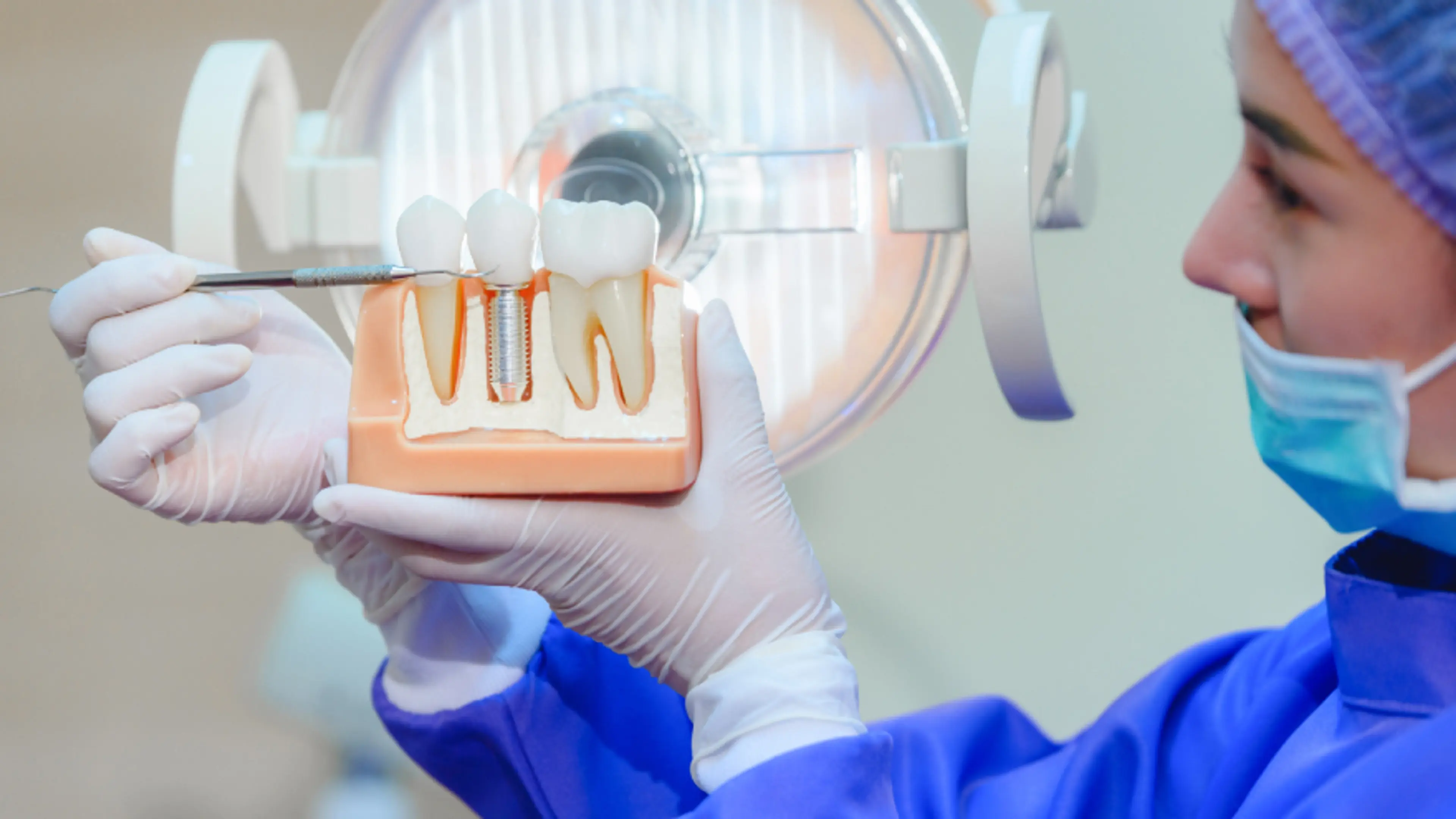
What Is Immediate Implant Placement Treatment? Procedures Compared
Home / Articles
What Is Immediate Implant Placement Treatment? Procedures Compared
To understand why this treatment is so popular, it helps to compare it to the traditional method. Traditionally, you would have a tooth pulled, wait three months for the bone to fill in, have the implant placed, and then wait another three to six months for the bone to fuse to the implant.
Criteria | Traditional (Delayed) Placement | Immediate Implant Placement |
|---|---|---|
Total Treatment Time | 6 to 12 months | 3 to 6 months |
Number of Surgeries | At least two separate surgeries | One single surgical visit |
Bone Preservation | Some bone loss occurs after extraction | Helps preserve natural bone structure |
Aesthetic Gap Period | Patient may have a gap for months | Often fitted with a temporary crown immediately |
Recovery Period | Multiple healing phases | One primary healing phase |
While the idea of a faster tooth replacement is appealing, Immediate Implant Placement is not suitable for everyone. Your dentist will evaluate several factors to ensure the implant will be successful.
The most critical factor is "primary stability." This means the bone surrounding the extraction site must be strong and thick enough to hold the new implant firmly in place from day one. If the bone is too soft or thin, the implant might move, leading to failure.
If the tooth being removed has a severe abscess or if there is active gum disease in the area, immediate placement is usually avoided. Placing an implant into an infected site significantly increases the risk of the body rejecting the device.
Smoking can slow down the healing process and interfere with "osseointegration"—the process where your bone grows around the implant. Non-smokers generally have much higher success rates with immediate procedures.
Immediate Implant Placement is most commonly performed on the front teeth (incisors and canines). Because these teeth have single roots, the socket is easier to prepare for an implant than the multi-rooted sockets of back molars.
If you are a good candidate, the procedure follows a highly technical yet efficient workflow.
South Korea has revolutionized dental surgery through incredible technological integration. Many of the world’s leading implant brands, such as Osstem and Dio, are manufactured in South Korea. Because the country produces the technology, their clinics have access to the most advanced tools at a lower cost.
Furthermore, South Korean surgeons perform a high volume of these procedures. This high-repetition expertise, combined with the use of AI-guided surgery and robotic precision, makes South Korea the premier destination for anyone seeking high-quality dental work.
The cost of dental care varies wildly depending on where you live. In many Western countries, the price of a single implant can be a barrier to treatment. However, by looking at global options, patients can find premium care at a fraction of the price.
Country | Estimated Cost (Single Implant) | Technology Level | Value Rating |
|---|---|---|---|
South Korea | $700 – $1,200 | Ultra-High (Leading) | Best Value |
USA | $3,000 – $5,000 | High | Expensive |
UK | $2,500 – $4,500 | High | Expensive |
Australia | $2,800 – $5,500 | High | Expensive |
Thailand | $1,200 – $2,000 | Moderate | Good |
The primary risk is a lack of "stability." If the implant moves even a fraction of a millimeter during the first few weeks, the bone may not attach to it correctly. This is why surgeons use 3D guides to ensure the placement is perfect. Infection control is also vital; clinics in South Korea are famous for their sterile, hospital-grade environments which minimize the risk of post-op complications.
You won’t feel anything during the procedure because of local anesthesia. Many clinics also offer "sleep dentistry" (sedation) for anxious patients. Afterward, most patients report only mild discomfort that feels like a standard tooth extraction.
You can eat, but you must be careful. Stick to soft foods like yogurt, mashed potatoes, and scrambled eggs for the first week. Avoid chewing directly on the new implant site.
With proper care, a dental implant is designed to last a lifetime. The crown on top may need to be replaced after 10–15 years due to normal wear and tear, but the metal post in your bone is permanent.
Yes, it is one of the safest places in the world. South Korean dental clinics are regulated by strict medical standards and utilize more advanced robotic and digital technology than most clinics in Europe or North America.
If your bone is too thin, your dentist can perform a "bone graft." This adds new bone material to the area. In some cases, this can be done at the same time as the implant, but sometimes you may need to wait for the graft to heal first.
Immediate Implant Placement is a remarkable advancement in modern medicine. It saves time, reduces the number of surgeries, and provides an immediate boost to your self-confidence by preventing that "gap-toothed" look.
If you are looking for the best results, consider a specialist who uses digital guided surgery. For those concerned about the high costs in the West, South Korea stands out as the best and most affordable destination for this treatment, offering world-leading technology at a price that makes a beautiful smile accessible to everyone. Always consult with a qualified professional to see if your jawbone is ready for this life-changing procedure.