
An oral surgeon’s perspective from Gangnam, Seoul
To be honest, when patients first hear about sedation dentistry, their eyes often light up.
“No pain.”
“No fear.”
“Sleep through the whole procedure.”
For many people—especially those with dental anxiety—sedation feels like the perfect solution. And in many cases, it truly is. At advanced clinics in Korea, including surgeon-led centers like S-Face Dental Clinic in Apgujeong, sedation dentistry has transformed how implants, extractions, and complex restorative treatments are performed.

But here’s the part that rarely gets explained clearly online:

Sedation dentistry is not for everyone.
Just because sedation is safe in general does not mean it is safe for every patient. Certain medical conditions, medications, and physiological factors can significantly increase risk—sometimes quietly, without obvious warning signs.
This article explains who should avoid sedation dentistry, why those risks exist, and how a proper evaluation can protect both your health and your long-term dental outcome.

Understanding Sedation Dentistry—Beyond the Marketing

understanding-sedation-dentistrybeyond-the-marketing

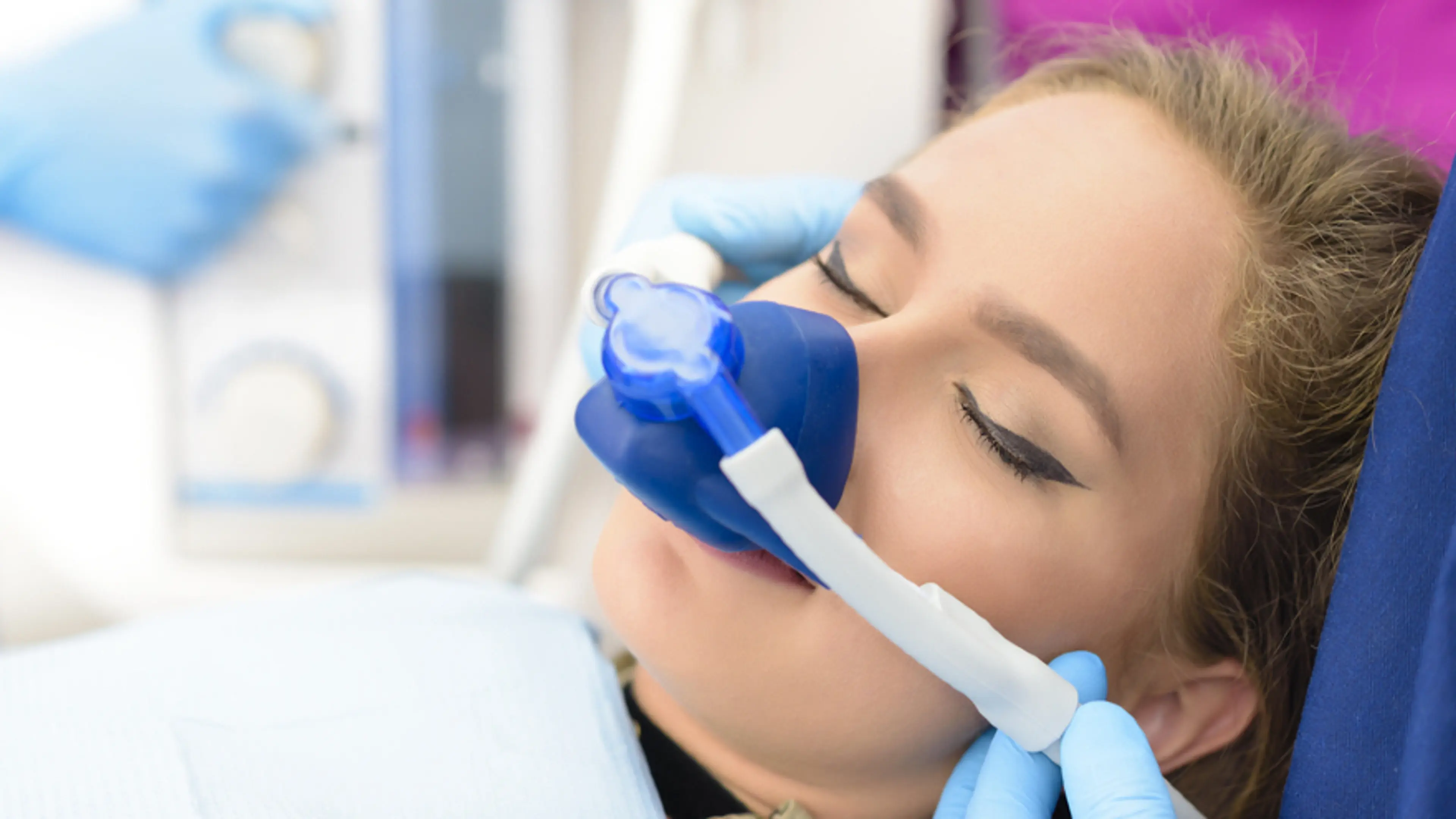
Sedation dentistry refers to the use of medications to help patients relax or sleep during dental treatment. In Korea, the most common forms include:

  • Oral sedation (pills taken before treatment)
  • IV conscious sedation (medication administered intravenously)
  • Deep sedation (patient is asleep but breathing independently)

At specialized clinics, IV sedation is frequently used for dental implants, wisdom tooth surgery, and lengthy procedures. When performed by trained professionals—particularly oral & maxillofacial surgeons—it can be remarkably safe.

But sedation does one important thing that many people overlook:

It suppresses your body’s normal protective reflexes.

That suppression is exactly why sedation must be chosen carefully.


Who Should Avoid Sedation Dentistry?

who-should-avoid-sedation-dentistry

1. Patients with Severe Heart Conditions

1.-patients-with-severe-heart-conditions

If you have advanced cardiovascular disease, sedation can pose real risks.

This includes patients with:

  • Recent heart attack or stroke

  • Unstable angina

  • Severe heart failure

  • Significant arrhythmias

  • Implanted cardiac devices requiring special monitoring

Sedative medications can lower blood pressure, slow heart rate, and alter oxygen levels. For a healthy patient, the body compensates easily. For a compromised heart, those changes can become dangerous.

Surgeon insight:
From a clinical perspective, the issue isn’t fear—it’s physiology. The heart must adapt quickly to sedation-induced changes. When it can’t, complications escalate fast.

In these cases, non-sedated treatment or hospital-based care with anesthesiology support may be safer.


2. Patients with Severe Respiratory Disorders

2.-patients-with-severe-respiratory-disorders

Sedation affects breathing. This is non-negotiable physiology.

Patients with:

  • Severe asthma

  • Chronic obstructive pulmonary disease (COPD)

  • Pulmonary fibrosis

  • Advanced emphysema

may experience reduced respiratory drive under sedation.

What patients often don’t realize is that lying flat, combined with sedative medication, further stresses the lungs. Even mild oxygen drops—unnoticed by the patient—can become dangerous over time.

At S-Face Dental Clinic, respiratory history is one of the first things evaluated before recommending sedation.


3. Obstructive Sleep Apnea (Especially Undiagnosed)

3.-obstructive-sleep-apnea-(especially-undiagnosed)
This is one of the most commonly missed risk factors.

Patients with obstructive sleep apnea (OSA):

  • Stop breathing intermittently during sleep

  • Often snore loudly

  • May feel chronically fatigued

Sedation relaxes airway muscles—the same muscles that collapse during sleep apnea episodes.

For undiagnosed or severe OSA patients, sedation can significantly increase the risk of airway obstruction.

What makes this dangerous:
The patient may appear “peacefully asleep,” while oxygen levels silently drop.

If you’ve been told you snore heavily, gasp during sleep, or feel exhausted despite enough rest, sedation dentistry should only be considered after thorough screening—or avoided entirely.


4. Patients with Certain Neurological Conditions

4.-patients-with-certain-neurological-conditions

Sedation interacts with the central nervous system. For patients with neurological disorders, responses can be unpredictable.

Higher-risk conditions include:

  • Epilepsy with poor seizure control

  • Parkinson’s disease

  • Advanced dementia

  • History of sedation-related complications

Some sedatives may lower seizure threshold or interact with neurological medications.

This does not automatically mean sedation is impossible—but it does mean extra caution, dosage adjustment, or alternative approaches are often required.

5. Patients Taking Specific Medications

5.-patients-taking-specific-medications

This is an area where online information is often dangerously vague.

Sedation drugs can interact with:

  • Benzodiazepines

  • Opioid pain medications

  • Antidepressants (especially MAOIs)

  • Antipsychotic drugs

  • Certain blood pressure medications

Interactions can lead to:

  • Excessive sedation

  • Breathing suppression

  • Prolonged recovery

  • Blood pressure instability

A proper clinic will never approve sedation without a full medication review. At S-Face, patients are asked to list everything—including supplements and herbal medicine, which are common in Korea and among international patients.

6. Pregnant Patients (Especially First Trimester)

6.-pregnant-patients-(especially-first-trimester)

Elective sedation dentistry is generally avoided during pregnancy.

Reasons include:

  • Potential effects on fetal development

  • Increased risk of nausea and aspiration

  • Altered maternal physiology

Emergency dental care can still be performed when necessary, but sedation is usually postponed unless the benefits clearly outweigh the risks.


7. Patients with Severe Anxiety—but No Medical Clearance

7.-patients-with-severe-anxietybut-no-medical-clearance

This may sound counterintuitive.

Many people assume that high anxiety automatically means sedation is appropriate. In reality, severe anxiety without medical clearance can increase risk.

Anxious patients may:

  • Hyperventilate before sedation

  • Have elevated blood pressure

  • Experience paradoxical reactions to sedatives

This is why experienced clinics often combine behavioral guidance, explanation, and minimal sedation, rather than jumping straight to deeper levels.

Age Matters—But Not the Way You Think

age-mattersbut-not-the-way-you-think

Elderly Patients

elderly-patients

Older adults can safely receive sedation—but metabolism slows with age.

This means:

  • Sedatives last longer

  • Recovery is slower

  • Sensitivity to dosage is higher

At advanced clinics, sedation protocols are adjusted carefully for older patients. Age alone is not a contraindication—but standardized, one-size-fits-all sedation is inappropriate.

Why a Surgeon-Led Evaluation Makes a Difference

why-a-surgeon-led-evaluation-makes-a-difference

Sedation dentistry is safest when planned by professionals who understand:

  • Oral surgery

  • Airway anatomy

  • Systemic disease

  • Emergency management

This is why, in Korea, many complex sedation cases are handled by oral & maxillofacial surgeons, not just general dentists.
At S-Face Dental Clinic, sedation cases are:
  • Evaluated directly by Dr. Gin-Ah Song, DDS, Ph.D.

  • Planned with medical history, imaging, and risk stratification

  • Adjusted to the patient—not the procedure

A dental implant under sedation isn’t just about comfort.
It’s about protecting the airway, circulation, and long-term outcome—simultaneously.

When Sedation Dentistry Should Be Avoided Entirely

when-sedation-dentistry-should-be-avoided-entirely

Sedation may be discouraged if:

  • Medical risks outweigh benefits

  • The procedure is short and minimally invasive

  • The patient cannot be safely monitored

  • Informed consent cannot be clearly obtained

In such cases, local anesthesia combined with communication and pacing often produces better, safer outcomes.


What Patients Should Do Before Considering Sedation

what-patients-should-do-before-considering-sedation

If you’re thinking about sedation dentistry, ask yourself—and your dentist—the following:

  • Have I disclosed all medical conditions?
  • Have I listed every medication and supplement?
  • Will a trained professional monitor me throughout the procedure?

  • Is the provider experienced with sedation complications?

  • Is sedation truly necessary for this treatment?

A responsible clinic will welcome these questions.


A Final, Honest Perspective

a-final-honest-perspective

Sedation dentistry is one of the most powerful tools modern dentistry offers—but power demands restraint.
At comprehensive centers like S-Face Dental Clinic in Apgujeong, sedation is never treated as a sales feature. It’s a medical decision, made carefully, respectfully, and always with patient safety first.
If you’ve experienced tooth loss, fear of dental treatment, or are considering implants—but have underlying health concerns—start with a consultation, not a commitment.
Sometimes, the safest treatment isn’t the one that lets you sleep.
It’s the one that lets you heal—without unnecessary risk.