By S-Face Dental Clinic, Apgujeong, Gangnam – Seoul’s Center for Advanced Oral Surgery
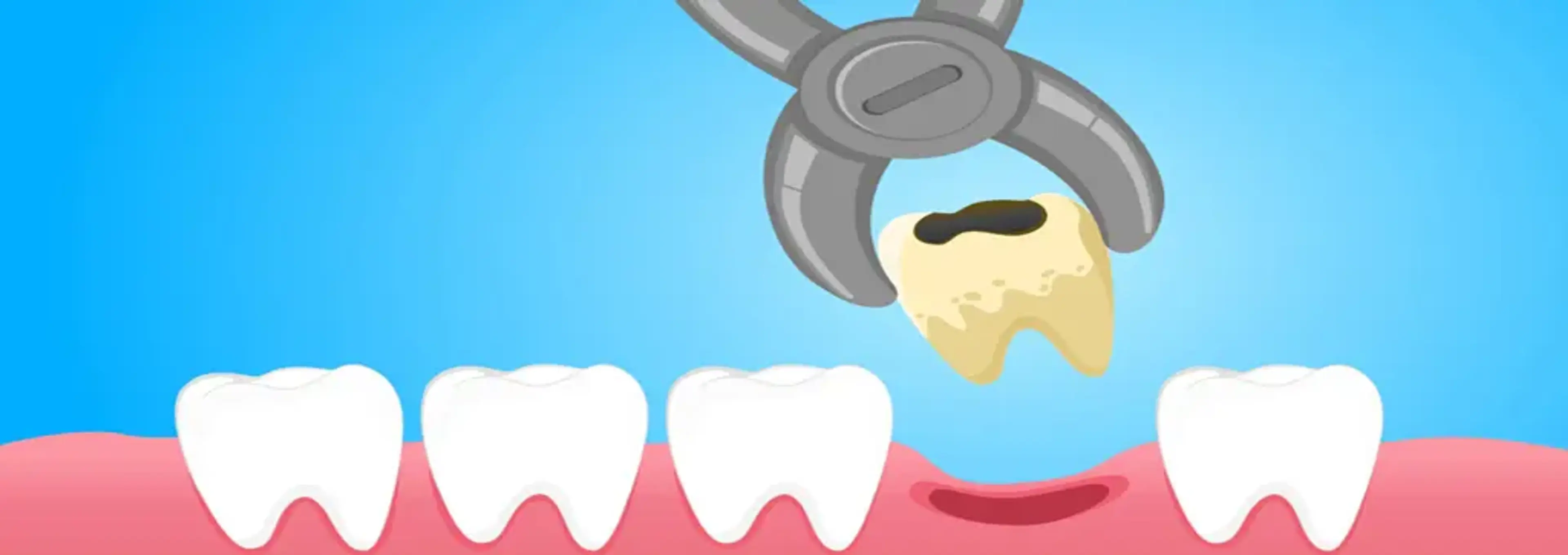
For many patients, the words “wisdom tooth extraction” bring an instant wince. But among all four wisdom teeth, the lower ones—known as mandibular third molars—are notorious for being harder to remove. If you’ve ever wondered why your dentist hesitated before scheduling that procedure, or why your recovery took longer after a lower extraction, there are sound anatomical and surgical reasons behind it.
Let’s explore what makes lower wisdom teeth more complex, what patients should expect, and how modern surgical care (like at S-Face Dental Clinic) ensures a safe, comfortable experience.
1. The Anatomy Behind the Challenge
1.-the-anatomy-behind-the-challengeTo understand the difficulty, we first need to look beneath the surface—literally.
Your upper jaw (maxilla) is composed of relatively soft, porous bone. This allows teeth, even impacted ones, to be removed with comparatively less resistance.
The lower jaw (mandible), however, tells a different story. It’s denser, thicker, and houses crucial nerves and blood vessels. When a lower wisdom tooth grows at an angle or stays trapped beneath the gum, it often becomes partially or fully encased in hard bone.
This bone density is one of the key reasons why lower extractions are more difficult—and why oral surgeons must proceed with careful precision.
“In the lower jaw, every millimeter matters. The inferior alveolar nerve runs close to the roots of wisdom teeth, and protecting that structure is the surgeon’s top priority,”
— explains Dr. Gin-Ah Song, Oral & Maxillofacial Surgeon at S-Face Dental Clinic.
2. Close Proximity to the Nerve
2.-close-proximity-to-the-nerveBeneath the roots of your lower teeth runs a delicate line called the inferior alveolar nerve (IAN). It’s responsible for sensation in your lower lip, chin, and part of your tongue.
In many cases, the roots of a lower wisdom tooth lie very close to this nerve—or even wrap around it.
During surgery, your oral surgeon must identify this relationship through 3D CT imaging, carefully planning every step to prevent nerve injury. This process requires not only advanced technology but also extensive surgical experience.
At S-Face, cone-beam CT (CBCT) scans are standard for every wisdom tooth evaluation. The scan helps Dr. Song visualize the nerve in three dimensions and plan a surgical path that minimizes risk.
Without such imaging, even a skilled dentist could face surprises mid-surgery—something a patient’s comfort and safety can’t afford.
3. Angulation and Impaction: The Hidden Geometry
3.-angulation-and-impaction:-the-hidden-geometryWisdom teeth rarely erupt in a straight, predictable line. The lower third molars, in particular, tend to tilt forward, backward, or sideways as they attempt to emerge through the gum.
This irregular angulation creates impaction, meaning the tooth becomes lodged against bone or neighboring teeth.
There are several common types:
Mesioangular impaction: tooth leans toward the front of the mouth (most common)
Horizontal impaction: tooth grows sideways, almost parallel to the jawline
Vertical impaction: tooth remains upright but trapped beneath bone
Distoangular impaction: tooth tilts backward toward the throat
Each type requires a different surgical approach—and in the lower jaw, impactions are often deeper and closer to the nerve than in the upper jaw.
Think of it like removing a tree root intertwined with underground cables: the removal must be deliberate, controlled, and fully visualized.
4. Limited Access and Visibility
4.-limited-access-and-visibilityEven for the most skilled oral surgeon, the lower jaw is simply harder to reach. The angle of the mouth opening, the thickness of the cheek muscles, and the tongue’s position all limit visibility and maneuverability.
Upper wisdom teeth, by contrast, are often easier to approach because they’re closer to the sinus area and can be accessed from above with fewer obstructions.
This limited access in the lower jaw means your surgeon often needs to section the tooth (divide it into smaller pieces) to remove it safely and efficiently. While this may sound more invasive, it’s actually a gentle, controlled method that minimizes bone removal and speeds up healing when performed properly.
5. Greater Bone Density, Longer Healing
5.-greater-bone-density-longer-healingBecause the lower jawbone is denser, bone healing and remodeling take a bit longer after extraction.
Patients sometimes notice:
This doesn’t mean the surgery went poorly—it simply reflects how the lower jaw responds to manipulation and how rich its structural bone is.
At S-Face, postoperative care is tailored to this difference. We provide gentle irrigation systems, low-level laser therapy (LLLT), and guided recovery plans to reduce inflammation and promote rapid healing.
6. The Role of Surgeon Experience and Sedation
6.-the-role-of-surgeon-experience-and-sedation
Here’s an honest truth: while many general dentists can extract wisdom teeth, lower extractions often require a surgeon’s expertise.
Dr. Song’s background in oral & maxillofacial surgery—combined with over 13 years of experience and more than 10,000 oral surgeries—means that each procedure is approached with the same precision as hospital-based surgery, but in a calm, patient-centered environment.
Many patients fear pain during wisdom tooth removal. Yet, with modern IV sedation and local anesthesia protocols, discomfort is now minimal to none.
“Patients often wake up surprised that the tooth is already out,” says Dr. Song.
“The key is to combine gentle surgical technique with real-time pain control. It’s not just about removing a tooth—it’s about protecting a person’s overall experience.”
7. What Patients Should Know Before Surgery
7.-what-patients-should-know-before-surgeryIf you’ve been told your lower wisdom teeth need removal, timing is crucial. The younger the patient, the softer the bone and the easier the surgery. Delaying extraction until later in adulthood can mean:
That’s why dentists often recommend evaluating wisdom teeth in the late teens or early 20s.
Before surgery, make sure your clinic provides:
3D imaging (CBCT or equivalent)
Sedation options suited to your health condition
Surgeon-led consultation and operation (not delegated)
Transparent aftercare planning
S-Face Dental Clinic follows each of these steps meticulously—because safety, precision, and patient comfort are inseparable.
8. What Recovery Should Feel Like
8.-what-recovery-should-feel-likeAfter a lower wisdom tooth extraction, you can expect some swelling and mild discomfort for a few days. Following proper postoperative care—cold compresses, prescribed medication, and soft foods—helps prevent complications like dry socket or delayed healing.
At S-Face, follow-up visits are standard. We check nerve sensitivity, jaw motion, and bone healing to ensure everything progresses smoothly. If you underwent sedation, our staff monitors recovery closely and provides personalized care instructions before you leave the clinic.
9. A Final Thought: It’s Not Just About the Tooth
9.-a-final-thought:-it's-not-just-about-the-tooth
Many patients see wisdom tooth surgery as a one-time nuisance. But from a surgeon’s perspective, it’s a preventive investment in long-term oral health.
Untreated lower wisdom teeth can push on neighboring molars, trigger gum infections, or even weaken jawbone structure over time. By removing them under expert supervision, you’re not just resolving today’s pain—you’re protecting your future bite and facial harmony.
“A safe, well-planned extraction can preserve your jaw’s natural balance for decades,”
— Dr. Song emphasizes.
“That’s the philosophy we practice every day at S-Face.”
When to Seek a Specialist
when-to-seek-a-specialistIf you’re experiencing:
Jaw pain or swelling near your lower molars
Recurrent gum infections behind the back teeth
Food trapping or pressure from a tilted wisdom tooth
…it may be time to consult an oral surgeon.
At S-Face Dental Clinic in Apgujeong, Gangnam, every wisdom tooth case is handled directly by a board-certified oral & maxillofacial surgeon using advanced imaging and gentle sedation. Whether you’re a local resident or visiting from abroad, we ensure every step—from diagnosis to healing—is safe, precise, and genuinely comfortable.
S-Face Dental Clinic
📍 Apgujeong, Gangnam, Seoul
🦷 Specialized in Oral & Maxillofacial Surgery, Sedation Dentistry, Dental Implants & Esthetic Restoration
“Precision. Safety. A surgeon’s touch—for every smile.”