Home / Articles
Zirconia Dental Implant: Complete 2026 Guide | S-Face
Home / Articles
Zirconia Dental Implant: Complete 2026 Guide | S-Face
If you have spent time in a Manhattan or Los Angeles periodontist's office holding a treatment plan that runs past $25,000, you already know the frustration not just at the cost, but at the feeling that something as fundamental as your smile has become a luxury item. For patients like you, the question is no longer whether to invest in a zirconia dental implant, but where and with whom that investment will deliver the result your smile and your confidence actually deserves.
American patients seeking a zirconia dental implant in 2026 face a uniquely difficult landscape: costs that have outpaced inflation for two decades, treatment plans that stretch across 12 to 18 months, and aesthetic consultations that feel rushed and impersonal. The result is that thousands of qualified, financially capable US patients are delaying treatment or making compromises not because a better solution does not exist, but because they have not found it yet.
Understanding what a zirconia dental implant actually is at a material and structural level is the foundation for every decision that follows. Most patients arrive at a consultation having read fragments of information from different sources, and few have received a complete, clinical picture of what this technology involves and why it matters. This section closes that gap.
A zirconia dental implant is a tooth replacement system constructed from zirconium dioxide (ZrO₂), a high-strength ceramic biomaterial that contains no metal. Unlike conventional titanium implants, which are metallic by nature, zirconia is a ceramic implant a classification that carries meaningful clinical and aesthetic implications for patients in the aesthetic zone and for those with metal sensitivities.
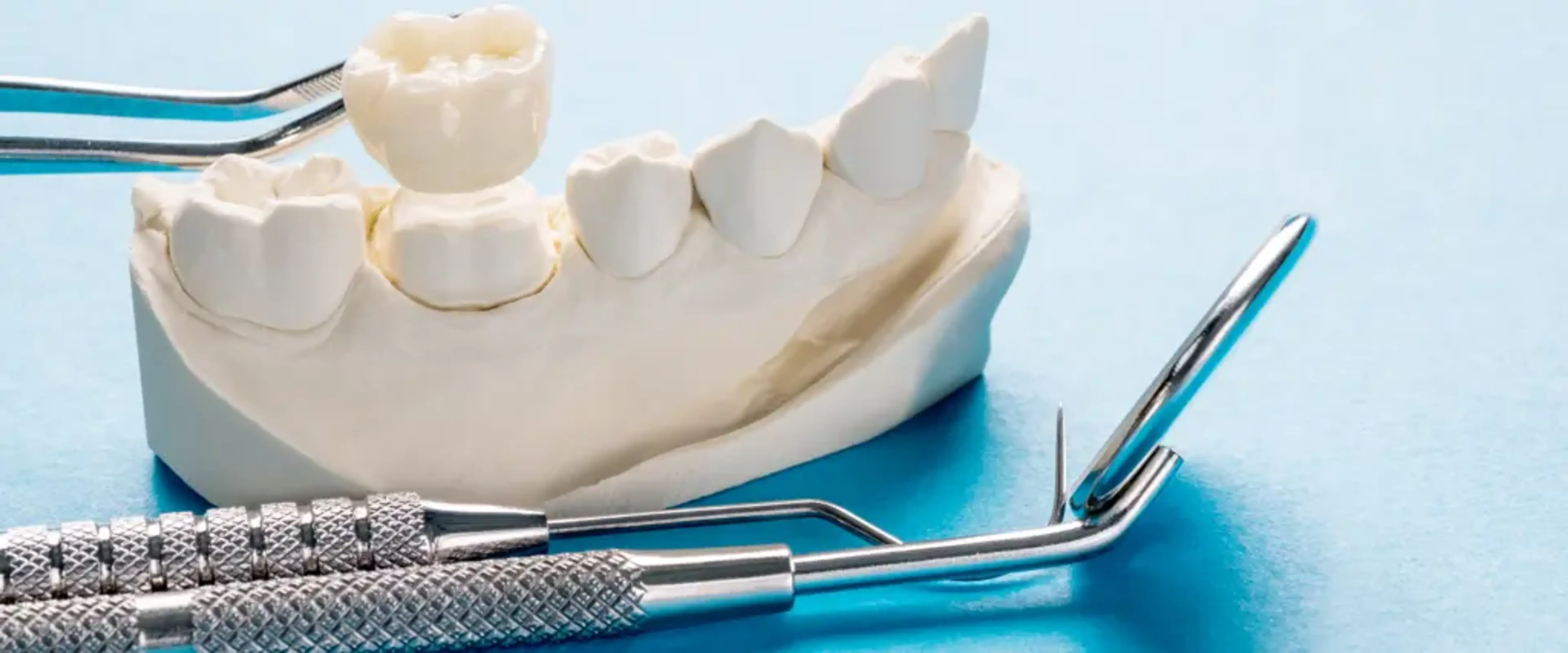
The full implant system consists of three components working together. First is the implant body the post that is surgically inserted into the jawbone and functions as an artificial tooth root. Second is the abutment the connector piece that links the implant body to the visible restoration above the gum line. Third is the zirconia crown the fabricated tooth that sits on top and represents the visible, functional result of the entire procedure. The implant body and abutment can either be a fused single unit (a one-piece system) or two separate components (a two-piece system), and the choice between them carries specific clinical implications discussed below.
The term "metal-free dental implant" refers to the complete absence of metallic components throughout the restoration system. For patients with documented or suspected metal sensitivities, autoimmune concerns, or those who prioritize complete biocompatibility, this distinction is clinically significant not merely a marketing description.
Osseointegration is the biological process by which the zirconia implant body fuses with the surrounding jawbone over a period of weeks to months. This bond is what gives the implant its long-term stability and load-bearing capacity, and it occurs through the same biological mechanism as titanium osseointegration, making zirconia a genuinely equivalent candidate for osseointegrative fusion in appropriate clinical conditions.
Not all zirconia is equal, and this is one of the most important facts that competitor articles consistently fail to explain. Zirconia exists across several material grades, each with different mechanical and optical properties, and the grade used for your implant body versus your crown matters considerably for long-term durability and aesthetic outcome.
The three primary grades relevant to dental implantology are as follows. 3Y-TZP (3 mol% yttria-stabilized tetragonal zirconia polycrystal) offers the highest flexural strength and fracture toughness, making it the preferred material for implant bodies that must withstand the forces of chewing and occlusion over years of use. 4Y-PSZ (4 mol% yttria partially-stabilized zirconia) offers a balance between strength and translucency, often used for abutments and some crown applications. 5Y-TZP provides the highest aesthetic translucency and is typically reserved for zirconia crown fabrication rather than implant bodies, as its higher optical clarity comes at the cost of reduced flexural strength.
The structural configuration of a zirconia implant system is a meaningful clinical variable, not a minor technical detail. In a one-piece system, the implant body and abutment are fabricated as a single, fused unit. The advantage of this design is the elimination of a micro-gap at the implant-abutment junction the small space between components in a two-piece system that can, in theory, harbor bacterial infiltration over time. The one-piece system also simplifies the surgical placement procedure. Its limitation is reduced flexibility in crown angulation and positioning, which can constrain the aesthetic customization available for complex or multi-unit cases.
In a two-piece system, the implant body and abutment are separate components connected during the restorative phase of treatment. This configuration offers greater flexibility in crown positioning, particularly for cases where the implant has been placed at an angle due to bone anatomy a common scenario when treating patients with some degree of bone resorption after a long-standing extraction site. Two-piece systems are generally preferred for complex restorations, full-mouth rehabilitation cases, or situations where precise aesthetic customization is the priority.
Regardless of which system is used, the crown placed on top is always a separately fabricated component designed digitally, milled with precision, and fitted to the individual patient's bite and shade requirements. The choice between one-piece and two-piece systems is always made by Dr. Song based on the individual clinical findings from your CBCT imaging and the specific aesthetic goals of your case.
The zirconia implant vs titanium implant question is the one most patients arrive with, and it deserves a genuinely balanced answer not a promotional pitch in either direction. The honest clinical position is that both materials have strong track records, and the right choice depends on your specific anatomy, aesthetic priorities, and health history.
Titanium has served as the gold standard of dental implantology for over 50 years, accumulating an extraordinary body of clinical evidence. Long-term survival rates for titanium implants consistently range from 95% to 98% at the 10-year mark across large-scale studies, and its osseointegration performance is exceptionally well-documented. It remains the benchmark against which all alternative materials are measured.
Zirconia, as the modern ceramic alternative, has developed its own growing evidence base. Current peer-reviewed literature places 10-year survival rates for zirconia implants at 94% to 97%, depending on the system, material grade, and case selection a range that is now clinically comparable to titanium for appropriate indications.
The distinction between the two materials becomes most clinically significant in three areas. First, biocompatibility: titanium is biocompatible but metallic, producing a galvanic response in the oral environment that some patients particularly those with metal sensitivities or autoimmune conditions experience as a concern. Zirconia, as a fully ceramic and metal-free dental implant, produces zero galvanic response and is considered the superior choice for this patient population. Second, peri-implant tissue health: zirconia's smooth, non-porous surface has been shown in peer-reviewed studies to accumulate less bacterial plaque than titanium surfaces, which supports better gum tissue health at the implant margin over time. Third, aesthetics: in patients with thin gum tissue a biotype that is especially common in the anterior (front) teeth and visible smile zone a titanium implant body can create a grayish shadow visible through the gum line. A zirconia implant, being tooth-colored throughout, eliminates this entirely.
Feature | Zirconia Implant | Titanium Implant |
|---|---|---|
Material | Ceramic (ZrO₂) | Medical-grade titanium alloy |
Metal Content | None fully metal-free | Yes |
Aesthetic Translucency | High mimics natural tooth root | Lower gray shadow risk at gum line |
Biocompatibility | Excellent | Excellent |
10-Year Survival Rate | 94–97% | 95–98% |
Plaque Accumulation | Lower | Slightly higher |
Suitable for Metal Sensitivity | Yes | No |
Best For | Visible smile zone, aesthetic priority, metal-sensitive patients | Complex bone cases, full-arch restoration, posterior teeth with high bite load |
Cost | Higher | Lower |
In clinical practice, the recommendation between a zirconia implant vs titanium implant is never ideological. It is case-specific and anatomy-driven. Dr. Song typically recommends zirconia in the following scenarios: aesthetic zone cases involving front teeth or premolars visible in the natural smile; patients with documented metal allergies or sensitivities; patients with thin biotype gum tissue where metallic shadow risk at the gum margin is clinically significant; cases where a single-implant replacement in the visible zone is the treatment objective and aesthetic perfection is the patient's primary concern; and any situation where the patient prioritizes long-term gum tissue health and the most natural possible appearance above all other considerations.
The visible difference between a zirconia implant and a titanium implant with a porcelain-fused zirconia crown is most apparent at the gum margin the point where the implant body meets the soft tissue above it. Because titanium is metallic gray, even a small amount of gum recession over time can expose the metallic implant shoulder, creating a shadow that is visible at conversational distances. This effect is particularly pronounced in patients with thin, translucent gum tissue.
Zirconia's tooth-colored body means the crown-gum interface looks completely natural regardless of minor tissue changes over time. Even if a small amount of gum recession occurs a normal biological possibility with any implant system after years of use the underlying structure remains aesthetically invisible because it matches the color of the crown and the surrounding natural teeth.
At S-Face Dental Clinic, digital shade matching ensures that the zirconia crown color integrates cohesively with surrounding natural teeth evaluated under natural light conditions rather than relying solely on clinical overhead lighting, which can distort color perception. For patients replacing a tooth in the visible smile zone, this level of precision is what separates a restoration that looks natural from one that looks like dental work.
One of the most common reasons US patients delay treatment is the fear that they may not qualify that their bone has been compromised by years without a tooth, that a health condition disqualifies them, or that gum disease has made implants permanently out of reach. In the majority of cases, these concerns are addressable. What matters is a thorough clinical assessment, not assumptions made from general information online.
You may want to first explore whether you are a strong candidate for implant treatment to make this section even more actionable.
Implant candidacy is evaluated across six primary dimensions, and understanding each one empowers you to approach a consultation with clarity rather than anxiety.
Sufficient jawbone density and volume is the single most critical factor in implant candidacy. The implant body must have adequate bone to integrate with assessed via a CBCT (Cone Beam Computed Tomography) scan, which produces a three-dimensional map of your bone volume, nerve pathways, and sinus proximity. Without adequate bone, implant placement is not possible without additional preparation, but this is often addressable through bone grafting.
Healthy or treated gum tissue is the second requirement. Active periodontal disease introduces bacterial load and inflammation that directly compromises osseointegration and implant longevity. Any active gum disease must be resolved before implant placement but treated, stabilized gum disease does not disqualify you.
General health stability is assessed individually. Conditions such as uncontrolled diabetes, active cancer treatment, or the use of bisphosphonate medications (prescribed for osteoporosis) require individual clinical review. These conditions do not automatically exclude a patient but do require careful assessment and, in some cases, coordination with other treating physicians.
Non-smoking status significantly improves implant outcomes. Smoking impairs osseointegration by compromising blood flow to healing tissues. Patients who smoke are advised to cease smoking during the healing period and ideally for a period before surgery as well. For heavy smokers, individual assessment is required to determine risk-benefit considerations.
Adequate vertical and horizontal space for implant placement is a spatial consideration evaluated against adjacent teeth, opposing bite, and overall occlusal (bite) architecture. This is assessed during the planning phase and rarely represents an insurmountable barrier.
Finally, realistic expectations and commitment to maintenance form the sixth candidacy pillar. Implants are long-term restorations, not set-and-forget solutions. Twice-daily brushing, interdental cleaning, and regular professional scaling are required to protect both implant health and the surrounding natural teeth.
Candidacy Criterion | Self-Assessment |
|---|---|
My tooth has been missing or needs extraction | Yes / No / Discuss with Dr. Song |
I am in generally good health with no uncontrolled systemic conditions | Yes / No / Discuss with Dr. Song |
I do not have active, untreated gum disease | Yes / No / Discuss with Dr. Song |
I am a non-smoker or willing to pause smoking during healing | Yes / No / Discuss with Dr. Song |
I am committed to proper implant maintenance long-term | Yes / No / Discuss with Dr. Song |
I want a natural-looking, permanent solution to my missing tooth | Yes / No / Discuss with Dr. Song |
This is one of the most anxiety-provoking questions patients bring to a consultation and the answer is more reassuring than most patients expect. After a tooth is extracted, the surrounding jawbone begins a process of resorption: research indicates approximately 25% of bone width is lost within the first year following extraction, with continued gradual loss over subsequent years. This biological process occurs because the mechanical stimulation that maintained bone density the chewing forces transmitted through the tooth root has been removed.
However, a tooth missing for one, two, or even three or more years does not automatically disqualify a patient from implant treatment. It does mean that a CBCT evaluation is more important than ever to assess current bone volume accurately before any treatment planning can occur. In many cases, sufficient bone remains for direct implant placement without any additional procedures. In cases where bone volume has decreased below the required threshold, a bone graft dental implant approach adds predictable bone volume ahead of implant placement typically adding three to six months to the overall treatment timeline, but not preventing a successful long-term outcome.
Dr. Song regularly treats patients with extraction sites of two or more years' standing. The consultation assessment is the definitive answer not a general estimation based on time elapsed.
Preparing for your virtual consultation is straightforward, and the more clinical information you can share in advance, the more personalized and specific the assessment you receive. The following items are useful to submit ahead of your consultation: recent dental X-rays (panoramic or periapical), if available from a US provider; CBCT scan files if you have already had three-dimensional imaging done; a brief written summary of your dental history including any past extractions, previous implants, or gum treatment; and your current medication list, including any supplements that may affect bleeding or healing.
If pre-existing scans are unavailable or outdated, S-Face Dental Clinic can arrange CBCT imaging upon your arrival in Seoul as part of the treatment planning process. You are not required to have imaging in hand before scheduling your free virtual candidacy assessment the consultation itself is the starting point, not a finishing gate.
Understanding the exact process of a zirconia dental implant particularly for an international patient traveling from the US removes the procedural uncertainty that keeps many people in a holding pattern. This section walks you through each stage in the sequence it actually occurs, with specific detail on what the experience looks like for someone flying from New York, Los Angeles, Houston, or Miami to Seoul. You can also find a detailed guide on how many days in Seoul for a dental implant to help plan your trip logistics.
The treatment process begins not with surgery but with imaging and digital planning a stage that for international patients at S-Face Dental Clinic can begin virtually, from the United States, before any flights are booked.
CBCT (Cone Beam Computed Tomography) scanning produces a three-dimensional map of the jawbone with submillimeter precision, revealing bone volume, density, nerve pathway positions, and sinus proximity. This data forms the structural blueprint for precise implant positioning and informs decisions about whether bone grafting is required, how deep the implant can be placed, and what angulation will produce the most stable long-term outcome.
Digital smile design technology allows Dr. Song to map the intended aesthetic outcome before any clinical procedure begins generating a preview of how the final crown will appear in the context of the patient's full smile, facial proportions, and existing dentition. Digital shade analysis using colorimetric technology matches the crown color to surrounding natural teeth under multiple lighting conditions, ensuring cohesion that holds up in real-world social settings, not just under clinical lighting.
For US patients, the virtual consultation process works as follows: you submit your dental records and any existing imaging to S-Face Dental Clinic; the clinical team reviews your case; and you then attend a video consultation (via Zoom or Google Meet) with Dr. Song directly, during which you receive a personalized assessment, a proposed treatment plan overview, and an itemized cost estimate. You book flights only after this step and only if you are confident in the plan.
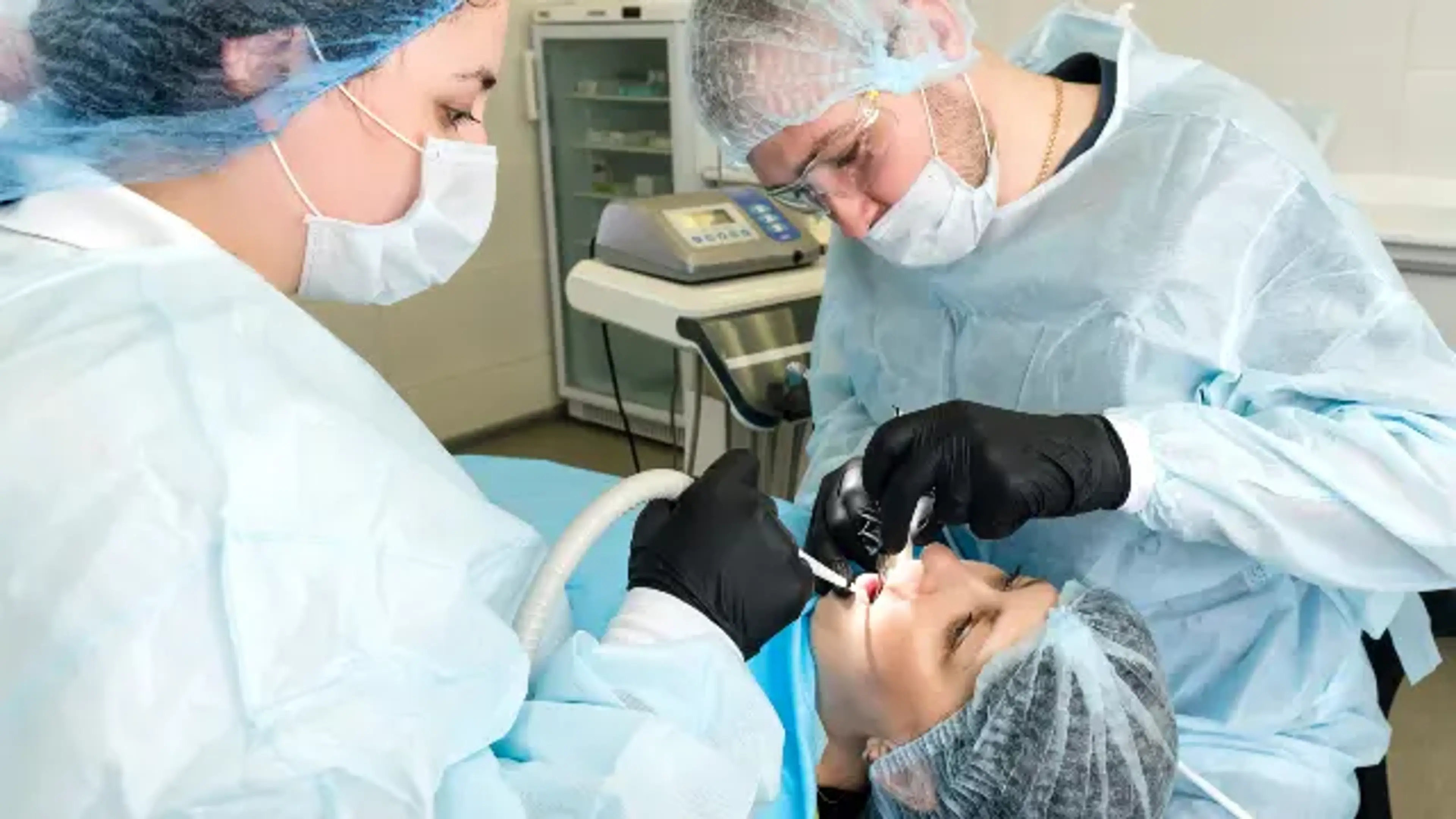
Implant placement at S-Face Dental Clinic is performed under local anesthesia, meaning you remain awake but experience pressure rather than pain throughout the procedure. Sedation options are discussed individually during the pre-operative consultation, and the anesthesia approach is adapted to patient comfort and case complexity.
The placement procedure for a single implant typically proceeds as follows. A small incision is made in the gum tissue to access the underlying bone. An osteotomy a precisely sized and positioned channel is prepared in the bone using surgical drills calibrated to the planned implant diameter and depth from the digital treatment plan. The zirconia implant body is then inserted into the osteotomy channel and stabilized. The gum tissue is sutured closed around the implant, and a healing cap or temporary restoration is placed to begin shaping the soft tissue profile during the healing phase.
A single implant placement typically takes 45 to 90 minutes. Multiple implants require proportionally more time, and Dr. Song's team structures appointment scheduling to ensure no procedure is rushed. In the first 24 to 48 hours following placement, patients typically experience mild swelling and manageable discomfort addressed through the prescribed medication protocol. Dietary modifications primarily soft foods and avoidance of heat during the first 48 hours are provided in written post-operative instructions.
For a detailed week-by-week recovery guide after your procedure, the week-by-week recovery after a zirconia implant resource at S-Face Dental Clinic provides an international patient-specific timeline.
Following placement, the implant body enters the osseointegration phase the period during which the zirconia surface integrates biologically with the surrounding jawbone. This process typically takes 6 to 12 weeks depending on bone quality, implant location, and individual healing rate. It is not a period of inactivity; the bone is actively remodeling and bonding to the implant surface at a cellular level.
For international patients, the two-trip vs single-trip question is a practical one that depends on case complexity and schedule. For patients able to extend their Seoul stay to 8 to 12 weeks, it is sometimes possible to complete both implant placement and final crown delivery in a single extended visit. For most US patients, the practical approach is placement on the first trip and final crown delivery on a return visit, or coordination with a US prosthodontist for the crown phase using the detailed clinical specifications provided by S-Face Dental Clinic. Virtual monitoring consultations via video call during the osseointegration period are available for patients who have returned to the US.
The final crown is fabricated using digital impressions and CAD/CAM (computer-aided design and manufacturing) milling, conducted entirely in-house at S-Face Dental Clinic eliminating outsourcing delays and maintaining quality control through every stage of fabrication. The crown fitting appointment involves a trial placement, occlusal (bite) adjustment, and final cementation once both Dr. Song and the patient are satisfied with the fit, shade, and aesthetic integration.
The question every patient ultimately wants answered is not technical it is personal. How long will this last? Will it look completely natural? Can people tell? This section answers those questions with clinical evidence, honest expectations, and the aesthetic standards that Dr. Song applies to every restoration at S-Face Dental Clinic.
Zirconia implant longevity is now supported by a substantive body of peer-reviewed literature. Studies published in the Journal of Oral Implantology and the International Journal of Oral and Maxillofacial Implants report 10-year survival rates for zirconia implants ranging from 94.0% to 97.3% in controlled clinical studies a performance profile that is now clinically comparable to titanium for appropriate case indications.
For context, the titanium benchmark at 10 years is 95% to 98%. Zirconia implant longevity at 94% to 97% represents a meaningful narrowing of the historical gap, and current evidence supports zirconia as a durable, long-term restorative option for patients who are well-selected and properly maintained.
The factors that influence zirconia implant longevity are consistent across the literature: bone quality at the time of placement, the patient's bite forces and parafunctional habits (such as bruxism or teeth grinding), oral hygiene compliance, smoking status, and systemic health. These are patient-modifiable and surgeon-controllable variables not random outcomes.
The zirconia crown component has its own longevity profile independent of the implant body. High-quality monolithic zirconia crowns, under normal maintenance conditions, typically last 15 to 25 years or more. The maintenance requirements are consistent with those for natural teeth: twice-daily brushing with a non-abrasive toothpaste, daily interdental cleaning using floss or a water flosser, professional scaling every six months, and an annual implant-specific check with radiographic assessment.
Zirconia's optical naturalism derives from its fundamental material science. Unlike opaque porcelains or metallic restorations, zirconia transmits and scatters light in a way that mimics the optical behavior of natural dental enamel creating the depth, translucency, and warm luminosity that make a natural tooth look alive rather than flat.
The shade matching process at S-Face Dental Clinic begins with digital colorimetry a systematic measurement of the surrounding natural teeth's hue, chroma, and value followed by shade mapping that accounts for the different optical zones of a natural tooth (the translucent incisal edge, the more opaque body, and the warmer cervical zone near the gum). Trial fitting of the crown in the patient's mouth before final cementation allows real-time verification under both clinical and natural light conditions.
For patients replacing multiple crowns a situation where aesthetic cohesion across the restoration is critical S-Face Dental Clinic develops a comprehensive shade and geometry plan that ensures all crowns relate naturally to each other and to the patient's facial proportions and midline. This level of planning is what separates a beautiful, integrated smile from a technically functional one that still looks artificial.
A realistic expectation to set: the soft tissue around the implant continues to mature and contour for three to six months after crown delivery. The implant crown itself is at full function from the day of delivery, but the final, fully settled aesthetic result with complete soft tissue maturation is typically visible at the three-month mark. This is a natural-looking dental implant outcome that reflects biological precision, not just technical craftsmanship.
The following three case examples represent outcomes that illustrate the range of what a zirconia dental implant procedure at S-Face Dental Clinic can achieve.
Cost is the most commercially powerful variable in the decision to seek dental treatment abroad, and it deserves a genuinely transparent, data-grounded answer. The full cost comparison between Seoul and US cities reveals a picture that is more nuanced and more compelling than most competitor articles acknowledge.
You can find the full itemized breakdown in the full cost comparison between Seoul and US cities guide from S-Face Dental Clinic for additional detail beyond what is covered here.
A complete single-unit zirconia dental implant in the United States encompassing the implant body, abutment, and zirconia crown ranges from approximately $4,500 to $7,500 or more in major metropolitan markets. This price reflects the multi-layer cost structure of the US dental system: premium commercial real estate in major urban zip codes, high malpractice insurance premiums, laboratory outsourcing markups when implant components are fabricated externally, and the division of care across multiple providers (oral surgeon, prosthodontist, and lab technician billing separately).
Zirconia implants in Seoul, at S-Face Dental Clinic, represent a significantly different cost structure one that does not reflect a compromise in materials or clinical quality but a genuinely different overhead environment, explored in detail in the following section.
For US patients considering dental tourism South Korea, the all-in cost calculation must honestly account for travel: a round-trip economy flight from New York to Seoul typically runs $900 to $1,600; hotel accommodation in Apgujeong for a 7-night stay adds approximately $700 to $1,400 at mid-range properties; total trip overhead therefore ranges from approximately $1,600 to $3,000. Even with this added overhead, the total cost picture for most US patients particularly those requiring multiple implants or comprehensive restorations favors Seoul by a substantial margin.
Item | New York City | Los Angeles | Houston | Miami | S-Face Dental Clinic, Seoul |
|---|---|---|---|---|---|
Implant Body | $2,000–$2,800 | $1,800–$2,500 | $1,500–$2,200 | $1,800–$2,600 | Contact for current pricing |
Abutment | $700–$1,000 | $600–$900 | $500–$800 | $600–$900 | Included |
Zirconia Crown | $1,800–$2,500 | $1,600–$2,200 | $1,400–$2,000 | $1,600–$2,300 | Included |
CT Scan / CBCT | $300–$600 | $250–$500 | $200–$450 | $250–$550 | Included |
Single Implant Total | $4,800–$6,900 | $4,250–$6,100 | $3,600–$5,450 | $4,250–$6,350 | Contact for current pricing |
Full Treatment Including Travel | N/A | N/A | N/A | N/A | Dental cost + $1,600–$3,000 travel |
The "price gap trust problem" is the single greatest conversion barrier for US patients considering dental tourism South Korea and it deserves a direct, honest answer rather than a dismissive marketing response.
The cost difference between zirconia implants in Seoul and equivalent treatment in New York or Los Angeles is structural, not clinical. Commercial real estate costs in Apgujeong, Gangnam, are substantially lower than in Manhattan, Beverly Hills, or Brickell. Malpractice insurance premiums in South Korea are a fraction of US levels. The favorable USD to Korean Won exchange rate further amplifies purchasing power for American patients. And S-Face Dental Clinic operates an in-house CAD/CAM laboratory, eliminating the outsourcing markup that adds hundreds of dollars to the cost of every crown fabricated externally at US practices.
Critically, the material cost is not reduced. S-Face Dental Clinic uses the same premium-grade zirconia materials available globally sourced from the same international manufacturers whose products are used in top-tier practices in New York, London, and Tokyo. The cost difference does not reflect a material quality compromise of any kind.
Transparency in pricing is a non-negotiable part of the patient experience at S-Face Dental Clinic. The following is a clear breakdown of what is and is not included in the standard zirconia implant package.
Included | Not Included | Notes |
|---|---|---|
CBCT imaging for treatment planning | Bone grafting (if required) | Assessed at consultation; cost disclosed in advance |
Implant body placement | Additional X-rays beyond standard package | Rarely required |
Abutment | Accommodation and travel | Hotel recommendations provided |
Temporary restoration (if applicable) | ||
Final zirconia crown | ||
Post-operative follow-up appointments during Seoul stay | ||
Virtual follow-up consultations after US return |
There are no hidden fees added after treatment begins. Every cost is disclosed in the written treatment plan provided before any clinical procedure starts. You can request your personalized, itemized treatment quote via the S-Face Dental Clinic consultation form before booking anything.
For US patients who have done their research and are weighing their options carefully, the decision ultimately comes down to clinical trust. This section provides the specific, verifiable evidence that answers the question: Why this clinic, and why this surgeon?
You can also read what American patients say about their experience at S-Face Dental Clinic for firsthand perspectives from US patients who have made this journey.
Over her clinical career, Dr. Song has performed thousands of implant and surgical procedures for both Korean and international patients, maintaining an annual surgical volume of approximately 200 procedures. Her specialization encompasses complex jaw and facial surgery, zirconia implant systems, full-mouth restorative dentistry, and aesthetic outcomes for patients from the US and Western countries who have specific, high expectations for their results. English-language consultation capability is available throughout the entire treatment process.
Her treatment philosophy is precise: every clinical decision is made on the basis of the individual patient's anatomy, history, and aesthetic goals not on protocol convenience or volume-driven efficiency.
S-Face Dental Clinic is located in Apgujeong, Gangnam-gu Seoul's premier medical and dental district, consistently recognized as one of Asia's leading centers for aesthetic and restorative dentistry. The Gangnam dental clinic environment reflects the standards expected by an international patient base that has access to the best care in New York, Los Angeles, and Miami and chooses Seoul for a specific reason.
The clinic's in-house technology includes CBCT imaging for three-dimensional surgical planning, a CAD/CAM crown fabrication laboratory operating entirely within the clinic (eliminating outsourcing and maintaining complete quality control), digital shade matching and smile design software, and a virtual consultation infrastructure that allows US patients to complete full pre-treatment assessment from home before booking flights.
The patient environment at S-Face Dental Clinic is boutique and intentionally personalized. If you have experienced the assembly-line dynamics of high-volume US dental chains multiple providers, minimal face-time, rushed consultations you will notice the difference immediately. An English-speaking team and dedicated international patient coordinator manage the logistics, scheduling, and communication continuity from first inquiry through post-return follow-up.
The international patient pathway at S-Face Dental Clinic is designed to eliminate the friction points that give US patients pause about seeking dental care abroad. English-language communication is available at every stage: initial inquiry, virtual consultation, in-clinic treatment, and post-return virtual follow-up appointments. A dedicated international patient coordinator serves as the single point of contact for scheduling, logistics guidance, and treatment continuity.
After returning to the US, patients receive a comprehensive clinical documentation package including treatment records, material specifications, radiographs, and post-operative protocols formatted for easy sharing with a US dentist or primary care physician if ongoing local care coordination is needed. Hotel recommendations near the clinic in Apgujeong are provided for patients traveling for treatment, and guidance on planning your Seoul stay around treatment appointments is available through the international patient coordinator.
The first step is simpler than most patients expect and it commits you to nothing. The process is designed for US patients who are in research mode and need a definitive, personalized answer before making any travel commitment.
S-Face Dental Clinic offers a complimentary virtual consultation for international patients, conducted directly with Dr. Gin-Ah Song via Zoom or Google Meet. During this appointment, Dr. Song reviews your submitted dental records, provides a preliminary candidacy assessment, outlines the proposed treatment approach, gives a cost estimate, and answers any questions you have in real time. You can see the clinic, hear Dr. Song's approach, and get a genuine clinical impression all before committing to any travel plan.
To book your virtual consultation, contact S-Face Dental Clinic via the website consultation form, email, or WhatsApp. The consultation can be scheduled to accommodate US time zones across both Eastern and Pacific Standard Time.
Following your virtual consultation, S-Face Dental Clinic prepares a written, itemized treatment plan specific to your case. This document includes the proposed procedures, material specifications, step-by-step timeline, complete cost breakdown, and the recommended duration for your Seoul stay. You receive the plan at no charge and with no obligation.
You are encouraged to review the plan at your own pace, discuss it with a trusted family member, or share it with a US dentist or healthcare provider for independent review. No pressure is applied at any stage the plan exists to support your informed decision, not to accelerate a commitment. You can book your free virtual consultation via the S-Face Dental Clinic consultation page when you are ready to take that first step.
Current peer-reviewed literature reports 10-year survival rates for zirconia dental implants ranging from 94.0% to 97.3%, depending on the clinical system and case selection. Titanium implants report 95% to 98% at the same timeframe. For appropriate candidates, zirconia represents a clinically comparable long-term outcome with the added benefits of metal-free biocompatibility and superior aesthetics at the gum margin.
The zirconia dental implant process from surgical placement to final crown delivery typically takes 3 to 6 months, with the majority of that time allocated to the osseointegration healing phase. Most US patients complete the first trip (placement) in 5 to 7 days in Seoul, then return for the crown delivery appointment after healing is confirmed. S-Face Dental Clinic provides a personalized implant timeline as part of the written treatment plan.
Not necessarily. Whether a bone graft dental implant approach is required is determined by the CBCT scan assessment of your current bone volume. Many patients including those with teeth missing for one to three or more years retain sufficient bone for direct zirconia dental implant placement. If bone grafting is required, it is performed at S-Face Dental Clinic and adds approximately 3 to 6 months to the treatment timeline before implant placement can proceed.
Most patients can fly home within 3 to 5 days after implant placement at S-Face Dental Clinic, provided initial healing is proceeding normally and swelling has reduced. Dr. Song recommends a minimum stay of 5 to 7 days in Seoul following surgery to allow for a post-operative assessment before departure. Flying itself does not compromise osseointegration, but adequate recovery time before a long-haul dental implant Seoul to US flight is clinically advisable.
S-Face Dental Clinic uses premium-grade zirconia materials selected specifically for each component of the restoration system. Implant bodies are fabricated from high-strength 3Y-TZP grade zirconia for maximum durability under bite load, while zirconia crown components are fabricated from high-translucency materials that deliver natural optical integration with surrounding teeth. Patients are encouraged to ask for specific material and manufacturer details during the virtual consultation.
Yes. South Korea maintains rigorous clinical and regulatory standards for dental practice, and zirconia implants in Seoul at internationally accredited clinics such as S-Face Dental Clinic are performed under the same material and procedural standards as in the United States. For a comprehensive overview of safety considerations specific to dental tourism South Korea, the guide on whether it is safe to get dental implants in South Korea addresses US patient concerns in full clinical detail.
S-Face Dental Clinic provides comprehensive clinical documentation at discharge that can be shared with any US dentist for continuity of care. Virtual follow-up consultations with Dr. Song are available via video call after patients return home. In the unlikely event of a post-operative concern, S-Face Dental Clinic coordinates directly with the patient and, where necessary, with a US treating provider to determine the appropriate management pathway. Dental implant Seoul post-operative support is treated as part of the complete patient care commitment, not as a closed chapter once the patient departs.
Dr. Gin-Ah Song's qualifications including her dental degree and PhD from Seoul National University and her Oral and Maxillofacial Surgery specializati can be verified through Seoul National University's publicly available academic records and the relevant South Korean professional licensing bodies. S-Face Dental Clinic also provides full credential documentation upon request as part of the international patient consultation process. Patients are encouraged to ask for this information and to share it with their US healthcare provider for independent review.
Yes. S-Face Dental Clinic regularly performs multiple zirconia dental implant placements for US patients in a single treatment visit. The treatment plan will specify the recommended sequence and whether all placements can be staged within your planned Seoul stay. For patients requiring multiple implants, the total treatment timeline and recommended visit structure is covered in detail in the written plan provided after your virtual consultation with S-Face Dental Clinic.
Shade matching at S-Face Dental Clinic uses digital colorimetry and shade mapping technology to measure the hue, chroma, and value of your surrounding natural teeth systematically. This measurement is taken under multiple lighting conditions including natural light to ensure the zirconia crown integrates authentically in real-world settings. A natural-looking dental implant outcome requires this level of precision, and S-Face Dental Clinic includes trial fitting before final cementation to verify the aesthetic result with the patient present.
A zirconia dental implant represents the current pinnacle of restorative dentistry combining the clinical durability of an implant-supported restoration with the optical naturalism that makes a result genuinely indistinguishable from a healthy natural tooth. For US patients in New York, Los Angeles, Houston, and Miami who have faced sticker-shock treatment plans, rushed consultations, or aesthetic results that fell short of their expectations, Seoul offers a clinically credible, fully accessible alternative one where the quality of care and materials is not compromised by the difference in cost.
With Dr. Gin-Ah Song's 13 years of surgical experience, a PhD from Seoul National University, and thousands of implant and restorative procedures completed for local and international patients, S-Face Dental Clinic offers the clinical depth, personalized approach, and natural-looking dental implant outcomes that discerning US patients have been searching for. The dental implant cost Seoul advantage, combined with premium-grade materials and a fully supported international patient pathway, makes this a genuinely compelling choice for patients who refuse to compromise on outcome.
Lead Oral and Maxillofacial Surgeon, S-Face Dental Clinic, Apgujeong, Seoul, South Korea
Dr. Gin-Ah Song is a graduate of Seoul National University School of Dentistry and holds a PhD in Craniofacial Cell and Developmental Biology from Seoul National University. With more than 13 years of clinical experience in oral surgery, dental implantology, and restorative dentistry, Dr. Song has performed thousands of implant and surgical procedures for both local and international patients, maintaining an annual surgical volume of approximately 200 procedures. Her areas of specialization include complex jaw and facial surgery, zirconia implant systems, full-mouth restorative dentistry, and aesthetic outcomes for patients from the United States and Western countries.